

Computer Vision Legacy Systems: A Practical Integration Framework
Legacy systems don’t block innovation when approached correctly. This guide explains how enterprises can integrate computer vision into legacy systems step by step.
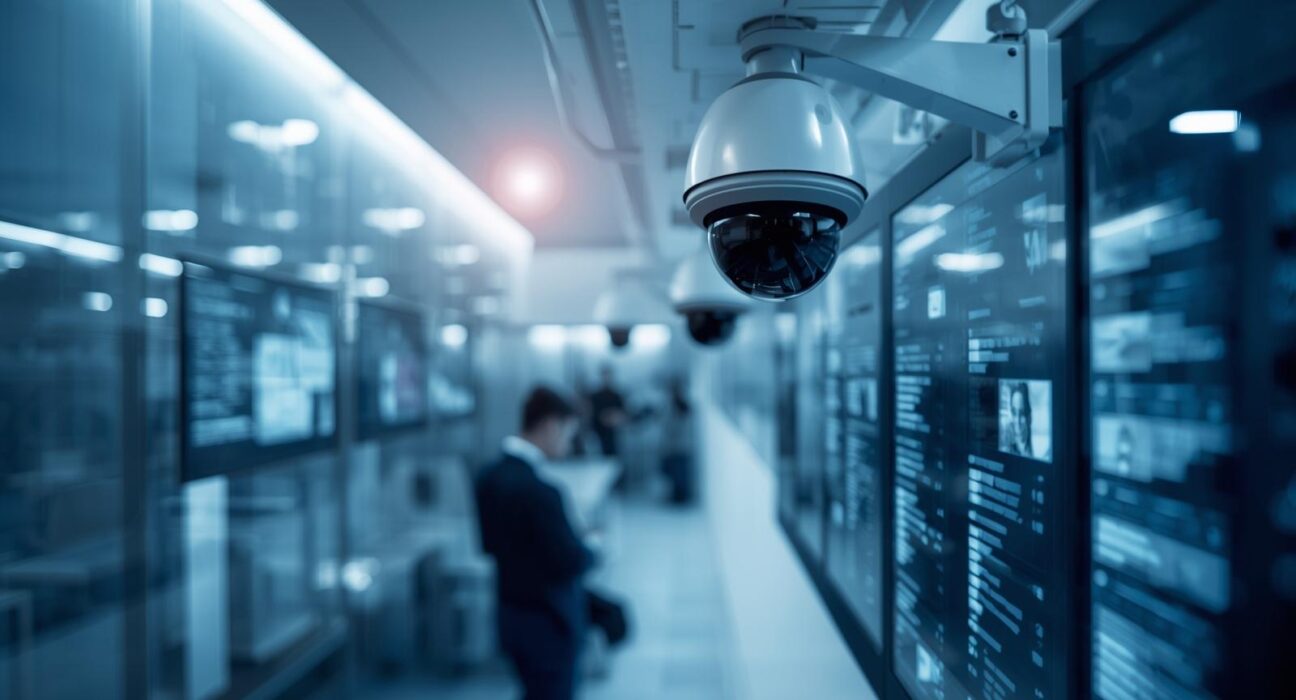
Computer vision brings powerful automation to legacy infrastructure, but it also introduces new cybersecurity risks. This guide explains how to protect systems, data, and trust while integrating computer vision securely.
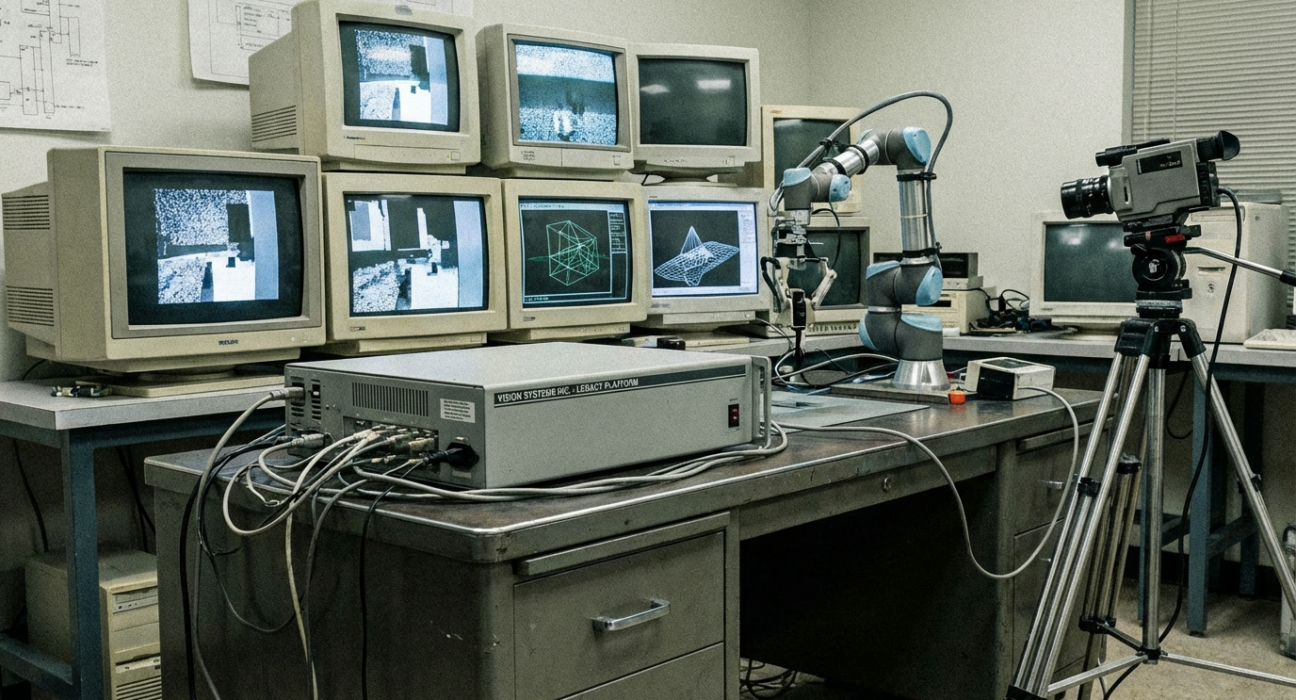
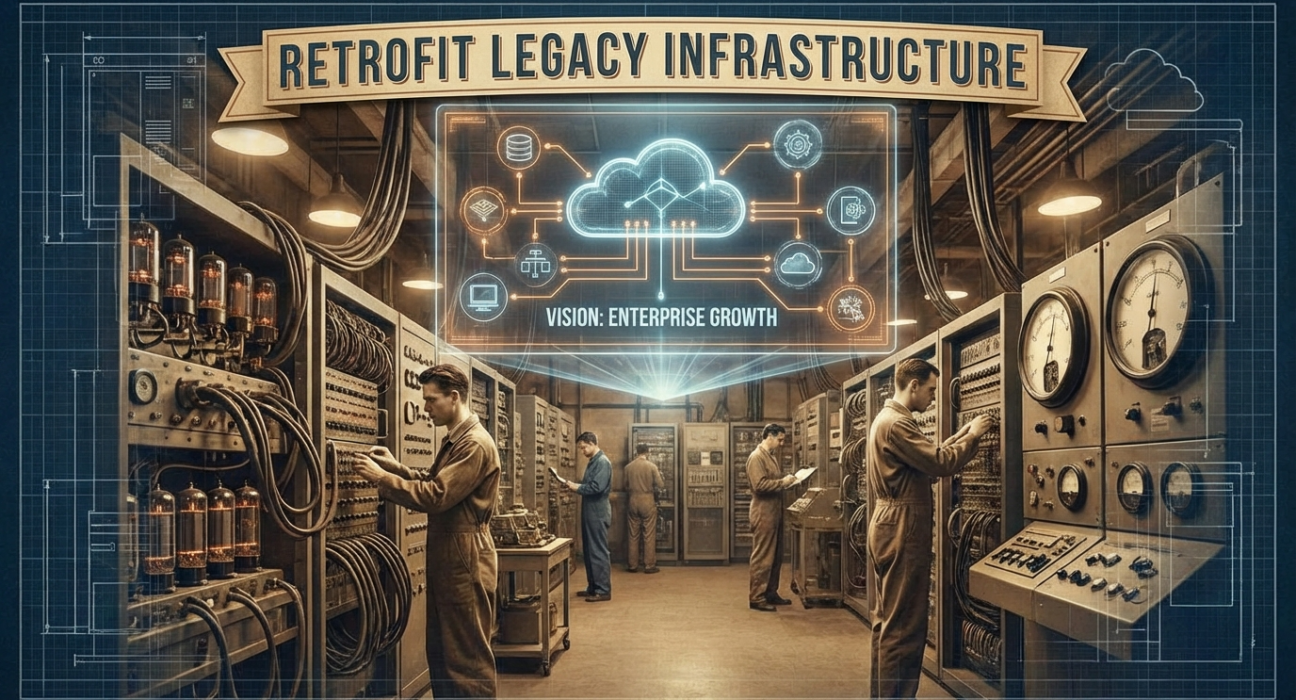
Enterprises don’t need to rip and replace old systems to innovate. This guide shows how computer vision can modernize legacy infrastructure safely and profitably.
Computer vision data migration is the bridge between outdated systems and intelligent automation. This guide explains how to move legacy data safely, efficiently, and strategically to support scalable computer vision integration.
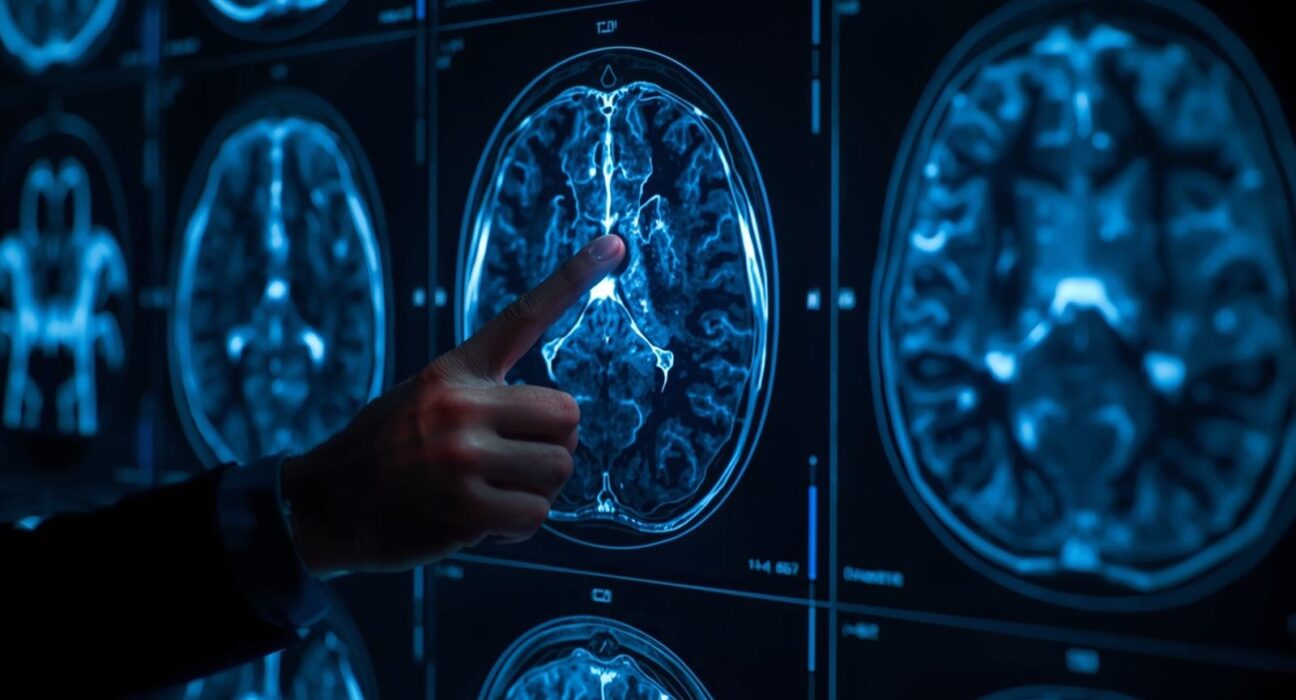
Discover how computer vision in healthcare is reshaping patient care, improving accuracy, and building public trust through ethical AI practices and innovation.
Explore the top training programs for computer vision integration specialists and learn how to gain hands-on AI, automation, and deep learning expertise.
Discover how the future of computer vision is transforming legacy infrastructure through AI-driven innovation, real-time monitoring, and smarter decision-making across industries.
This article explores real-world case studies showing how computer vision integration revitalized legacy systems, improving performance, automation, and business outcomes.
Explore the best vendors helping businesses integrate computer vision with legacy systems, improving efficiency, automation, and scalability through AI innovation.
Discover how to manage technical, ethical, and operational risks in computer vision integration projects while maintaining system reliability and trust.