

Risk Management in Computer Vision Integration Projects
Discover how to manage technical, ethical, and operational risks in computer vision integration projects while maintaining system reliability and trust.
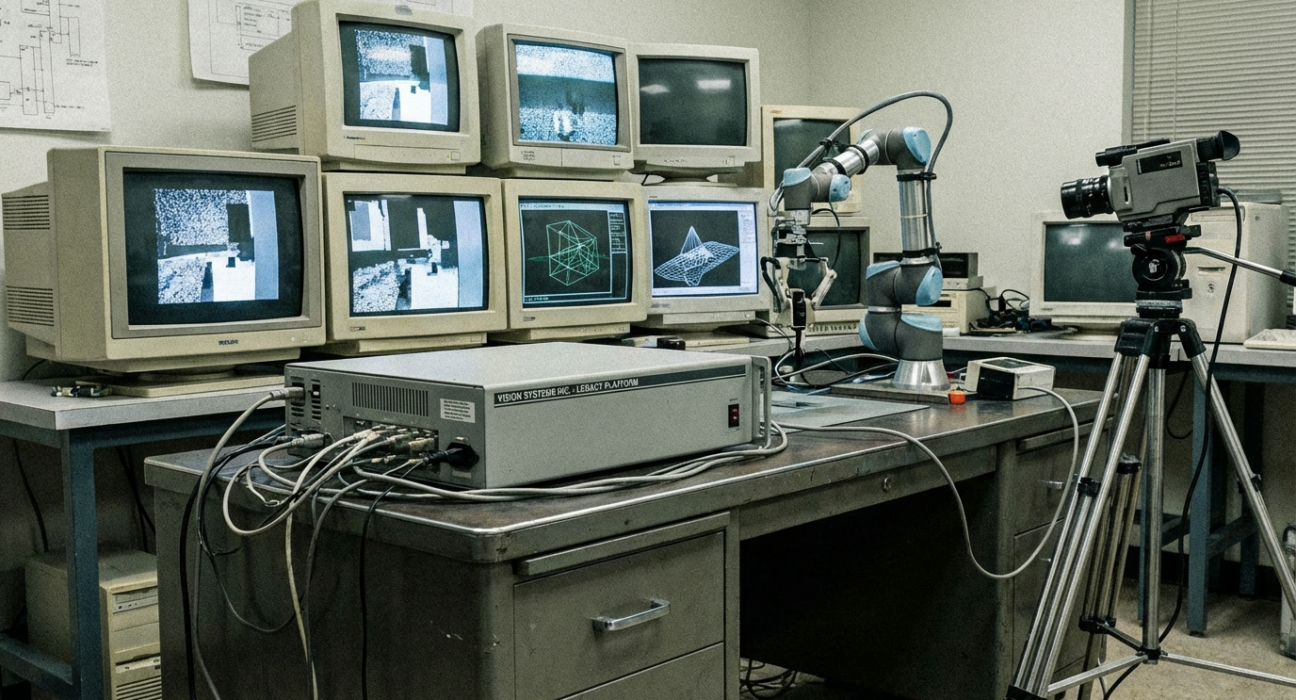
Learn how cloud-enabled computer vision transforms legacy systems by combining AI, scalability, and real-time automation to enhance performance and future-proof operations.
Discover how computer vision is transforming legacy systems by enabling predictive analytics that automate decisions, reduce downtime, and unlock hidden insights.
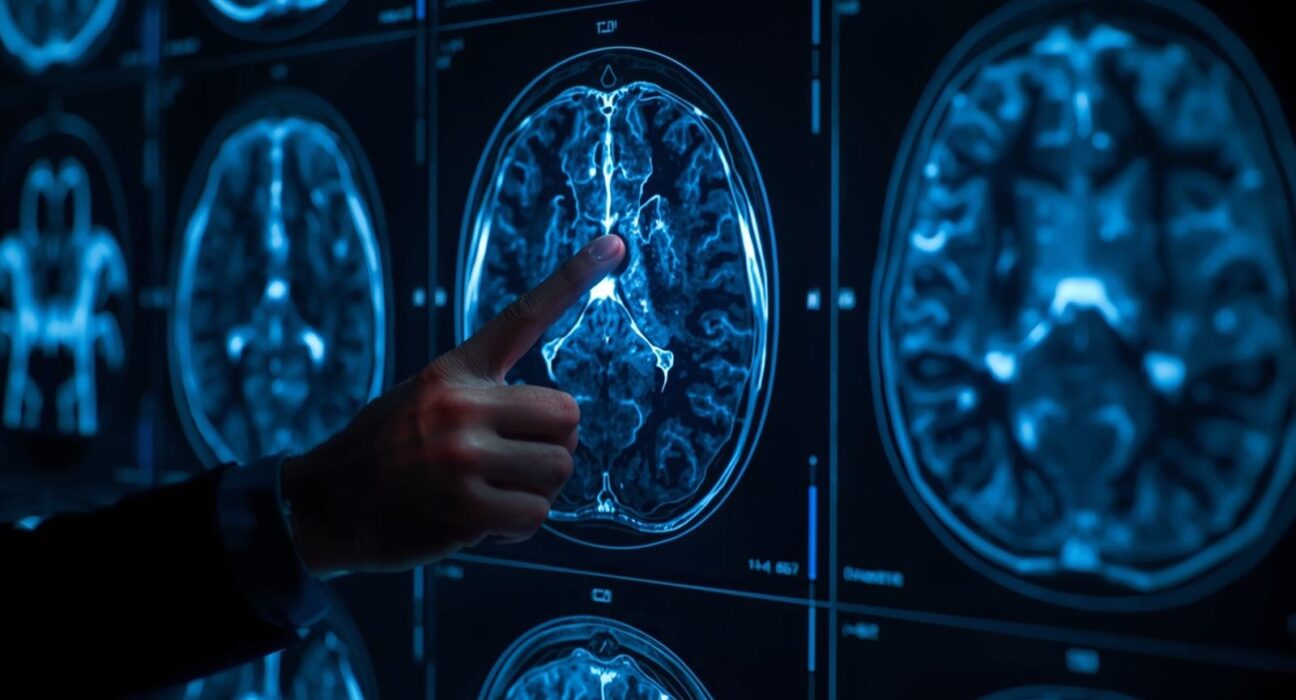
Computer vision is reshaping healthcare by enabling faster diagnoses, improving accuracy, and enhancing patient outcomes through AI-powered insights.
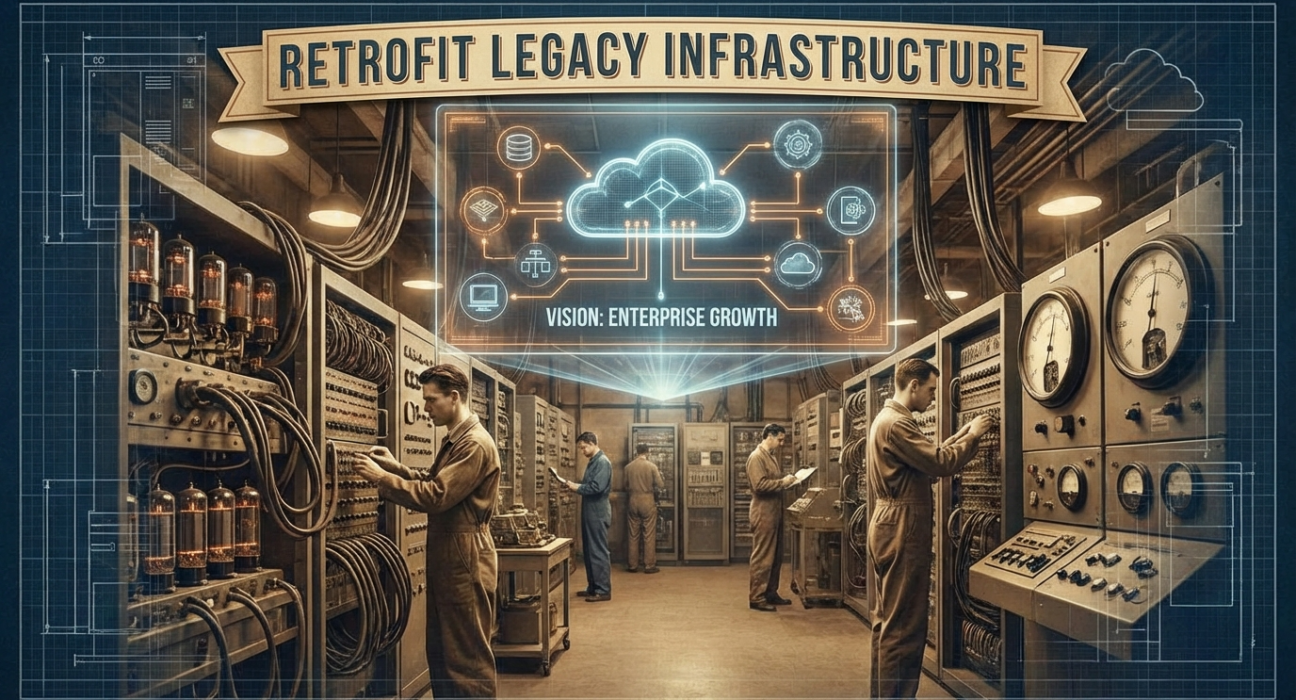
Computer vision is revolutionizing industries by turning images and video into actionable insights. But for many organizations, the challenge isn’t starting from scratch—it’s scaling computer vision systems within existing, often outdated, legacy environments. Integrating modern AI models with traditional infrastructure requires strategy, compatibility planning, and smart optimization. In this article, we’ll explore how to scale
Surveillance technology has come a long way—but many organizations still rely on aging analog or early digital systems. While replacing an entire security infrastructure can be expensive, AI-driven legacy surveillance upgrades offer a smarter alternative. By adding artificial intelligence to existing cameras and systems, businesses can transform outdated setups into modern, data-driven security solutions. Let’s
Modernizing legacy systems with artificial intelligence doesn’t always require a complete overhaul. One of the most effective upgrades is computer vision, which brings real-time visibility, automation, and analytics to traditional operations. But before any company invests in it, leaders want one clear answer: What’s the return on investment (ROI)? Calculating computer vision ROI in legacy
Integrating real-time monitoring in legacy systems with computer vision is like giving old machines new eyes. These systems, once limited to static data and manual oversight, can now interpret visual information in real time—spotting issues, predicting failures, and improving efficiency. But how can you modernize decades-old systems using cutting-edge AI technology without starting from scratch?
Computer vision — the branch of artificial intelligence that enables machines to interpret and act on visual data — is transforming industries from healthcare and security to retail and manufacturing. However, as adoption accelerates, so does scrutiny. Organizations must now navigate complex laws to ensure computer vision regulatory compliance, protecting privacy, ethics, and human rights
Introduction: Why Integration Matters Computer vision is revolutionizing industries, from security monitoring to medical imaging. But many organizations rely on legacy systems that weren’t designed with modern AI in mind. The challenge? Figuring out how to integrate computer vision into existing surveillance and healthcare infrastructures without starting from scratch. What Is Computer Vision Integration? Integration