

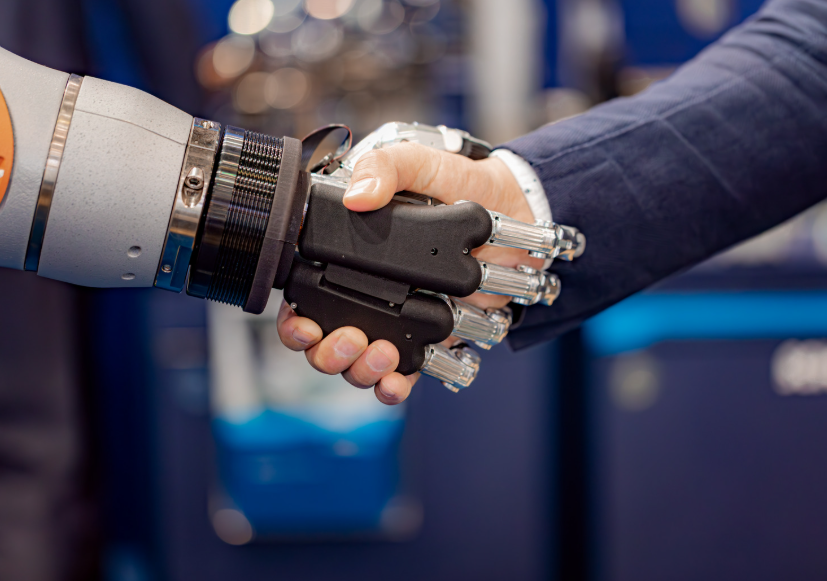
Robotics integration trust is becoming one of the most important factors in factory automation success. As manufacturers add robots, cobots, mobile machines, sensors, and AI-powered systems to production environments, the technical setup is only part of the challenge. Workers, supervisors, engineers, and leaders must also believe that the new systems are safe, useful, fair, and worth adopting. Without that trust, even a well-designed robotics project can face resistance, low usage, poor communication, and weak long-term results.
Modern factories are changing quickly. Robots now support assembly, welding, packaging, material movement, inspection, machine tending, and quality control. In many cases, these systems can reduce repetitive strain, improve output, and make production more consistent. However, workers may still worry about job security, safety risks, monitoring, and sudden workflow changes. Therefore, leaders need to treat trust as a core part of automation planning, not as a soft issue handled after installation.
Building trust does not mean asking employees to accept every change without question. Instead, it means creating clear reasons, safe processes, honest communication, and practical training. When people understand why robots are being added and how their own roles will evolve, they can engage with the change more confidently. This turns robotics from a threat into a shared improvement effort.
Why Trust Matters in Factory Automation
Factories depend on timing, teamwork, and clear routines. When robotics enters that environment, it can change how people move, work, report issues, and make decisions. If those changes are not explained well, employees may feel that automation is being forced on them. As a result, robotics integration trust can decide whether the project gains support or creates quiet resistance.
Trust matters because people often see risks before leaders do. A frontline worker may know that a robot arm needs more clearance near a workstation. A maintenance technician may notice that alerts are unclear. A supervisor may see that a new process slows one step while speeding another. When workers trust the process, they are more likely to share these insights early.
Trust also affects safety. Employees must know how to work near robots, when to stop a machine, and how to report unusual behavior. If they feel unsure, they may avoid the system or take unsafe shortcuts. On the other hand, clear safety rules and confident training can help people work with automation more calmly.
Robotics integration trust also supports better productivity. A robot may be able to complete a task quickly, but the full workflow still depends on people. Workers need to load materials, review alerts, confirm quality, handle exceptions, and keep production moving. When employees believe the system helps them, they are more likely to use it correctly.
Start With Honest Communication
Trust begins before the first robot reaches the factory floor. Leaders should explain why the company is investing in robotics, what problems the system is meant to solve, and how success will be measured. This communication should be simple, direct, and repeated often. A single announcement is rarely enough.
Employees often want to know how automation will affect their jobs. If leaders avoid that question, people may assume the worst. Therefore, managers should be honest about role changes, training plans, and expected benefits. If some tasks will shift from manual work to robot-supported work, say so clearly. If new roles will appear in operation, maintenance, inspection, or process support, explain that too.
Good communication should avoid unrealistic promises. Robots can improve many tasks, but they do not solve every problem. They may need tuning, downtime, updates, and human oversight. When leaders admit these limits, employees are more likely to trust the message. Overstating the technology can damage confidence when early issues appear.
Robotics integration trust grows when communication includes listening. Leaders should hold discussions with operators, technicians, safety teams, and supervisors before final workflows are set. These conversations can reveal problems that planning teams may miss. More importantly, they show employees that their experience matters.
Clear communication should continue after launch. Managers should share early results, explain fixes, and discuss lessons learned. If the robot reduces strain, improves quality, or saves time, show those results. If the project needs adjustment, explain what will change. This steady communication keeps trust alive after the excitement of installation fades.
Design Safety Into Every Step
Safety is one of the strongest drivers of trust in robotics. Workers need to see that the company is not adding machines at the expense of their well-being. This means safety must be visible in planning, installation, training, daily use, and maintenance. It should not be treated as a checklist at the end.
Robotics integration trust improves when safety rules are clear and practical. Employees should know where robots will move, when people can enter work zones, how emergency stops work, and what warning signals mean. If collaborative robots are used, workers should understand how they differ from traditional industrial robots. They should also know the limits of those safety features.
Risk assessments should include real factory conditions. A robot may appear safe in a controlled test, but the factory floor may include noise, clutter, changing materials, narrow walkways, or shift changes. These details can affect how safe the system feels and performs. Therefore, safety reviews should involve people who know the daily environment.
Training should include hands-on practice whenever possible. Workers may understand a safety rule better when they can see the robot’s movement, test stop procedures, and practice response steps. This experience reduces uncertainty. It also helps employees feel more prepared when the system goes live.
Safety reporting should be simple. If someone notices a near miss, blocked path, unclear signal, or unexpected movement, they need a fast way to report it. More importantly, leaders must respond. When employees see that concerns lead to action, trust becomes stronger.
Involve Workers in Workflow Design
Robotics projects often fail when workflows are designed without enough input from the people who use them. A system may look efficient on paper, yet create awkward movements, confusing handoffs, or new delays in practice. Involving workers early helps avoid these problems and builds robotics integration trust.
Operators understand the small details of production. They know when parts arrive late, where tools are placed, which tasks cause strain, and which quality issues happen most often. Their input can help teams choose the right task for automation. It can also help engineers design a layout that supports real work instead of disrupting it.
Worker involvement should happen before full deployment. During planning, teams can walk through the process together and identify pain points. During testing, operators can use the system and share feedback. After launch, they can help refine alerts, screens, timing, and handoffs. This creates a practical improvement loop.
Involvement also reduces fear. When employees help shape the system, they are less likely to see it as something imposed from above. They can see how their knowledge improves the project. This creates a sense of ownership, which is essential for adoption.
Leaders should also include maintenance teams early. Robots require upkeep, calibration, software updates, and troubleshooting. If maintenance staff are not prepared, downtime can rise. Their input can help ensure access panels, spare parts, manuals, and diagnostic tools are ready before the system becomes critical.
Train Teams for New Roles and Skills
Training is one of the clearest ways to build confidence. Workers do not need to become robotics engineers, but they do need to understand how the system affects their tasks. They should know what the robot does, what it does not do, and how to respond when something changes.
Robotics integration trust depends on role-specific training. Operators need clear steps for daily use. Maintenance teams need deeper knowledge of sensors, movement systems, software, and common faults. Supervisors need to understand performance data and staffing impacts. Safety teams need to review risks, incident procedures, and compliance needs.
Training should also explain the purpose behind the process. If workers only learn which buttons to press, they may not understand why the workflow matters. When they understand how the robot improves quality, reduces strain, or supports output, they can connect their actions to larger goals.
Upskilling should be presented as a real opportunity. Automation may reduce some repetitive tasks, but it can also create new responsibilities. Employees may learn robot operation, quality review, basic programming support, data monitoring, or maintenance coordination. These skills can make factory roles more valuable and future-ready.
Training should not stop after launch. As the system changes, people need refreshers. New employees also need structured onboarding. Short follow-up sessions can help teams solve issues and improve habits. This ongoing approach keeps knowledge from fading.
Use Data Without Creating Fear
Robotic systems often create data about cycle times, errors, downtime, quality, and worker interactions. This data can improve operations, but it can also create concern. Employees may worry that every movement is being tracked or used against them. Because of this, data transparency is essential for robotics integration trust.
Leaders should explain what data is collected and why. If the system tracks machine performance, say that clearly. If it records error patterns to improve maintenance, explain how the information will be used. If worker-related data is involved, the company should be especially careful. People need to know what is monitored, who can see it, and how decisions are made.
Data should support improvement, not blame. If a robot stops often during one shift, leaders should look for process issues before blaming individuals. Maybe materials arrive late. Maybe the interface is confusing. Maybe training is uneven. A fair review process helps employees see data as a tool for solving problems.
Dashboards should be simple and useful. Too many metrics can create confusion. The best reports help teams answer practical questions. Is the system running well? Where are delays happening? Are quality results improving? Do workers need support? Clear data helps build trust because it makes performance easier to understand.
Robotics integration trust also grows when employees can challenge or explain data. If a metric looks wrong, there should be a way to review it. This protects fairness and improves accuracy.
Choose Technology That Fits the Factory
A trustworthy robotics project starts with the right technology choice. Not every robot fits every factory. Some tasks need high-speed industrial robots. Others need collaborative robots, mobile robots, vision-guided systems, or simple automation upgrades. The best choice depends on the task, space, workforce, safety needs, and existing systems.
Leaders should avoid buying technology only because it is new or impressive. A robot should solve a clear problem. It should also fit the current workflow well enough to support adoption. If the system is too complex, too rigid, or too difficult to maintain, workers may lose confidence quickly.
Integration with existing systems also matters. Robots may need to connect with production schedules, inventory tools, quality systems, maintenance software, or reporting dashboards. If these connections are weak, workers may need extra manual steps. This can make automation feel like more work, not less.
Vendor support plays a role in trust too. A reliable vendor should provide training, documentation, troubleshooting, safety guidance, and clear service expectations. If support is slow or unclear, internal teams may struggle to keep the system running. Strong support helps the organization recover faster when problems appear.
Robotics integration trust becomes easier when the technology is tested in real conditions. Pilot projects should include actual materials, real operators, normal shift patterns, and common disruptions. This gives teams a more honest view before expanding the system.
Measure Trust Alongside Performance
Factories often measure robotics projects by speed, output, downtime, and cost savings. These metrics are important, but they do not tell the full story. A system can meet production targets and still create stress, confusion, or resistance. Therefore, leaders should also measure trust and adoption.
Employee feedback should be part of the review process. Short surveys, team discussions, and supervisor notes can show whether workers feel safe, prepared, and heard. Leaders should ask whether training was clear, whether alerts make sense, and whether the system supports daily work.
Adoption metrics also matter. Are workers using the system correctly? Are they bypassing steps? Are they reporting issues? Are supervisors relying on the data? These signs show whether trust is growing or weakening.
Robotics integration trust should be reviewed during pilots, after launch, and during scaling. If trust drops, leaders should respond quickly. The cause may be poor communication, unclear safety rules, unreliable equipment, or weak training. Early action can prevent small concerns from becoming lasting resistance.
Performance and trust should improve together. If the robot increases output but creates too much worker stress, the design may need adjustment. If employees trust the system but performance remains weak, the technology or workflow may need improvement. The goal is balance.
Conclusion
Building trust in factory robotics is not separate from technical success. It is part of technical success. Robots can improve speed, quality, safety, and consistency, but only when people understand them, support them, and know how to work with them. A factory that ignores trust may face resistance even if the machines perform well.
Robotics integration trust grows through honest communication, strong safety planning, worker involvement, practical training, fair data use, and careful technology selection. These steps help employees see automation as a tool that supports better work rather than a threat that removes control. When people feel included, they are more willing to adapt and improve the system.
The future of factory automation will depend on collaboration between people and machines. Robots will continue to handle more physical and repetitive tasks, while workers take on more skilled, judgment-based roles. Companies that build trust now will be better prepared for that shift. With the right approach, robotics integration trust can help factories become safer, smarter, and more resilient over time.
FAQ
1. Why Do Workers Sometimes Resist Factory Robotics?
Workers may resist robotics because they worry about job loss, safety, monitoring, or unclear role changes. Honest communication and training can reduce these concerns.
2. How Can Leaders Make Automation Feel Safer?
Leaders can improve safety confidence through clear rules, hands-on training, visible emergency controls, risk reviews, and fast responses to employee concerns.
3. What Role Should Employees Play in Robotics Projects?
Employees should help review workflows, test systems, report issues, and suggest improvements. Their experience can make robotic systems more practical and easier to adopt.
4. How Can Data From Robots Be Used Fairly?
Data should be used to improve processes, safety, and performance. Leaders should explain what is collected, who sees it, and how it supports better decisions.
5. What Is the Best Way to Start a Factory Robotics Project?
The best way to start is with one clear use case, a realistic pilot, worker input, safety planning, and measurable goals before wider deployment.






Leave feedback about this