
Picture a world where every repetitive, time-consuming task is handled seamlessly by machines that never get tired, bored, or distracted. Sounds like science fiction? It’s not—it’s happening right now. Across industries, automation-driven productivity with robotics is transforming the way businesses operate, blending human creativity with robotic precision to achieve unprecedented levels of efficiency.
From factories to hospitals, logistics hubs to offices, robotics is no longer about replacing people—it’s about empowering them. The secret lies in combining automation with smart systems that learn, adapt, and collaborate. Let’s explore how robotics is unlocking new levels of productivity and reshaping the future of work.
The Rise of Robotics in Modern Productivity
Automation and robotics have evolved from simple mechanical arms to intelligent systems capable of decision-making, learning, and collaboration. Decades ago, robots were confined to heavy industries, performing repetitive assembly-line tasks. Today, they’ve moved far beyond that, driven by advancements in artificial intelligence (AI), machine learning, and sensor technologies.
Businesses are now using automation-driven productivity with robotics to streamline processes, reduce costs, and increase output without compromising quality. According to the International Federation of Robotics, over 3.9 million industrial robots are in operation worldwide, with that number expected to soar as more sectors adopt automation.
The difference between past and present automation lies in adaptability. Modern robots aren’t just programmed—they’re intelligent. They can respond to changing environments, work alongside humans, and optimize processes in real time.
How Robotics Enhances Automation-Driven Productivity
Robotics acts as the ultimate productivity multiplier. It’s not just about doing tasks faster—it’s about doing them smarter, safer, and more accurately. Here’s how robotics fuels automation-driven productivity across industries.
1. Streamlining Repetitive Work
Repetition drains human focus but energizes machines. Robots excel at consistency, performing routine tasks—like welding, packaging, or assembly—without fatigue or error. By delegating these to automation systems, human workers can focus on higher-value, strategic activities.
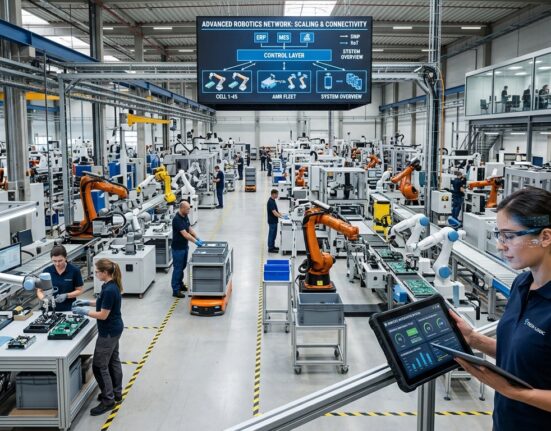
For instance, in manufacturing, robotic arms work around the clock assembling components with micron-level precision, dramatically improving throughput and minimizing waste. The result? Fewer mistakes, faster production, and more consistent quality.
2. Improving Operational Efficiency
Efficiency is about doing more with less—less time, less energy, and fewer resources. Robotics achieves this through precision automation. Autonomous guided vehicles (AGVs) and drones optimize logistics by handling material transport, while cobots (collaborative robots) assist workers directly on the floor.
Imagine a warehouse where robots automatically restock shelves, scan barcodes, and transport packages without human direction. That’s not futuristic—it’s Amazon today. Every action, from picking to packing, is tracked and optimized for maximum speed and minimal cost.
3. Reducing Human Error
Even skilled workers make mistakes, especially under pressure or fatigue. Robotics eliminates this risk by adhering to programmed standards every time. Whether it’s measuring a dose in a pharmaceutical plant or inspecting products on a conveyor, robots ensure uniformity and accuracy, improving overall quality control.
4. Enhancing Scalability
Scaling operations used to mean hiring more staff and expanding facilities. Now, businesses scale by increasing automation capacity. Need to boost production? Add another robot, not another department.
This agility makes it easier to respond to market fluctuations, demand spikes, and seasonal variations without overextending resources. It’s productivity on demand—powered by robotics.
Key Technologies Powering Automation-Driven Robotics
Behind the rise of automation-driven productivity with robotics lies a blend of cutting-edge technologies that give machines the intelligence and flexibility to work efficiently.
1. Artificial Intelligence (AI) and Machine Learning
AI allows robots to think, adapt, and make decisions based on data. Machine learning algorithms help systems improve over time, identifying patterns and optimizing workflows.
For example, in predictive maintenance, AI-equipped robots analyze machine data to forecast breakdowns before they occur. This proactive approach saves time, reduces downtime, and extends equipment life.
2. Computer Vision
Robots now “see” the world. Through computer vision, they recognize shapes, colors, and objects, enabling precision tasks like sorting, inspection, and navigation.
In food production, computer vision helps identify product defects or packaging errors in real-time—tasks that once required meticulous human inspection.
3. The Internet of Things (IoT)
IoT connects robots and sensors into a single ecosystem. Machines can share data with one another and with central systems, creating smart environments that self-regulate and respond dynamically.
Picture a smart factory where every robot communicates its status, location, and performance metrics. Supervisors no longer micromanage—they monitor dashboards that display live performance insights.
4. Cloud Robotics
Cloud robotics leverages cloud computing for storage, processing, and analytics. Instead of operating in isolation, robots draw on centralized intelligence—allowing even small machines to access vast computational resources.
This connectivity also facilitates global scalability. Updates, optimizations, and AI models can be rolled out instantly to robots worldwide, standardizing performance and reducing downtime.
The Human Side of Robotic Productivity
Contrary to the fear that robots “take jobs,” the reality is more nuanced. Automation-driven productivity with robotics doesn’t eliminate work—it transforms it.
Robots handle the dull, dirty, and dangerous tasks, freeing humans to focus on creativity, problem-solving, and innovation. A factory worker might transition from manual labor to overseeing automated systems. A nurse might use robotic assistants to lift patients safely.
In this way, robotics complements—not competes with—human potential.
Empowering Workers Through Collaboration
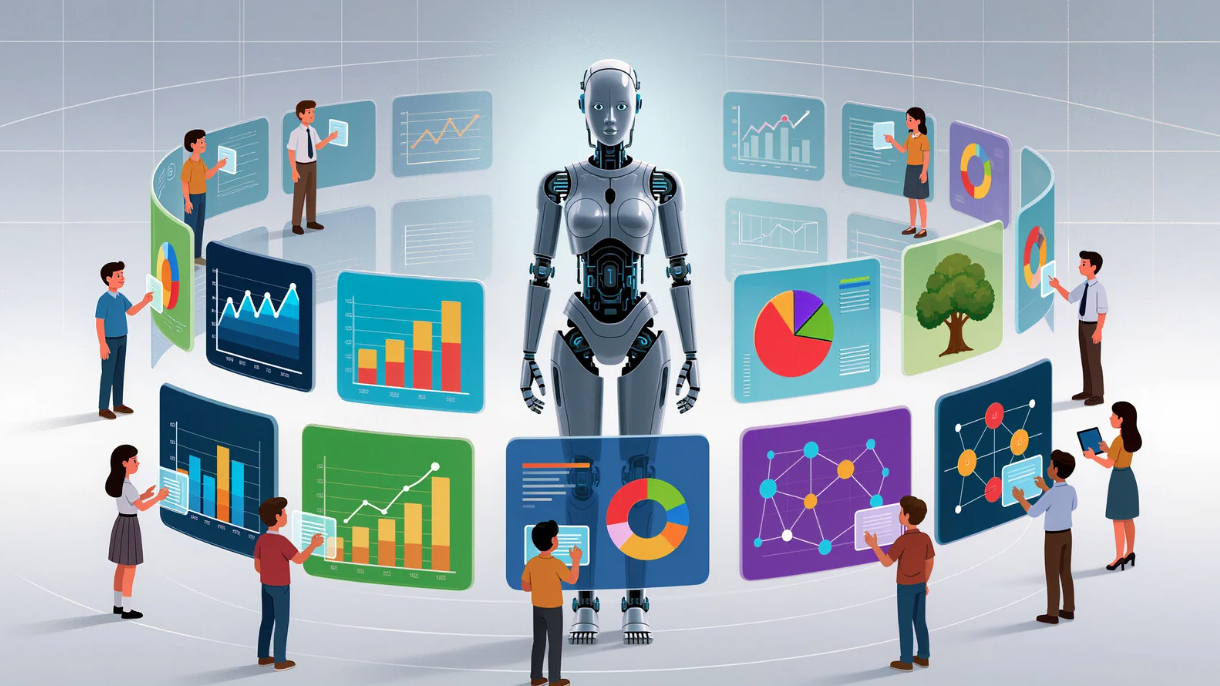
The rise of collaborative robots, or “cobots,” marks a turning point. Cobots are designed to work alongside humans, assisting rather than replacing them. They’re equipped with sensors and safety mechanisms that allow safe interaction.
In small and medium-sized enterprises (SMEs), cobots are particularly valuable. They’re flexible, affordable, and don’t require large-scale reengineering. A single cobot can handle repetitive packaging tasks one hour and switch to quality inspection the next.
The result is a workforce that’s augmented by technology, not overshadowed by it.
Robotics Across Industries: Real-World Applications
The impact of robotics spans virtually every sector. Here’s how automation-driven productivity is reshaping key industries.
1. Manufacturing
Manufacturing remains the heartland of robotics. Automated assembly lines, welding robots, and AI-powered quality control systems have revolutionized production speed and precision.
Factories equipped with smart robots experience up to a 30% productivity boost while reducing error rates to near zero. Automation also enables “lights-out manufacturing,” where factories operate continuously without human presence.
2. Healthcare
In healthcare, robotic systems assist in surgeries, rehabilitation, and logistics. Surgical robots, like the da Vinci system, allow for ultra-precise, minimally invasive procedures guided by human surgeons.
Robotic exoskeletons help patients regain mobility, while delivery robots transport medication and supplies safely through hospital corridors. These innovations reduce strain on healthcare workers and enhance patient care.
3. Logistics and Supply Chain
Warehouses and distribution centers are ground zero for robotic automation. Drones, AGVs, and automated sorting systems handle millions of items daily.
E-commerce leaders like Amazon and Alibaba rely heavily on robotics to meet global demand efficiently. With AI-driven logistics planning, shipments are faster, errors fewer, and operational costs lower.
4. Agriculture
Automation-driven productivity is transforming agriculture too. Robots plant seeds, monitor crops, and even harvest produce autonomously.
Using sensors and drones, farmers can detect soil health, predict yields, and minimize resource waste. This “precision farming” model increases productivity while preserving sustainability.
5. Retail and Customer Service
Self-checkout kiosks, AI chatbots, and inventory robots are redefining customer interactions. Robotics automates mundane retail operations while providing real-time data insights for better customer experiences.
In some stores, inventory robots patrol aisles, scanning shelves for stock shortages or misplaced items—tasks that once required manual effort.
The Economic Benefits of Robotic Productivity
When businesses integrate robotics strategically, the benefits ripple across the organization—and beyond.
1. Cost Reduction
Automation reduces operational costs by minimizing human error, downtime, and labor expenses. Once installed, robots perform tasks consistently at a fraction of the long-term cost of manual labor.
2. Increased Output and Quality
Robots don’t sleep, take breaks, or lose focus. Their precision leads to higher output and consistent quality control, reducing rework and waste.
3. Competitive Advantage
Early adopters of automation-driven robotics gain a powerful edge. They can innovate faster, deliver products quicker, and adapt more easily to market changes.
4. Sustainability
Energy-efficient robots reduce waste and optimize resource use, helping companies meet environmental goals while saving money.
Automation isn’t just about speed—it’s about smarter, cleaner, and more sustainable growth.
Challenges in Adopting Automation-Driven Robotics
While the benefits are compelling, integrating robotics into existing workflows isn’t without hurdles.
- High Initial Costs: Upfront investment can be substantial, though long-term ROI often outweighs it.
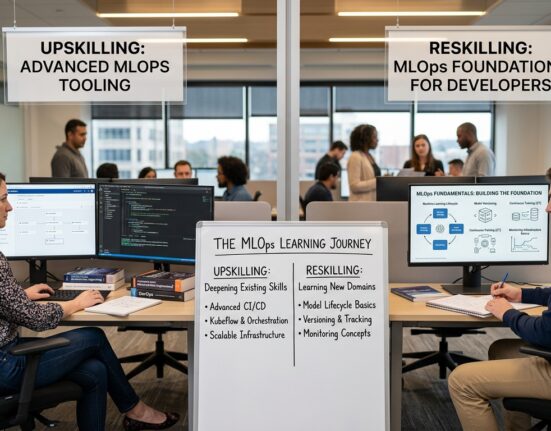
- Workforce Reskilling: Employees must learn to operate, maintain, and collaborate with robotic systems.
- Cybersecurity Risks: As robots connect to networks, they become potential targets for data breaches or sabotage.
- Integration Complexity: Legacy systems may require upgrades to work with new robotic technologies.
However, with thoughtful planning, these challenges are manageable. Many governments even offer incentives and grants to encourage digital transformation.
The Future of Automation-Driven Productivity with Robotics
The future of robotics is not about machines taking over—it’s about humans and machines advancing together.
Emerging trends like AI-powered autonomous robots, edge computing, and self-learning systems will make automation more intuitive and accessible. We’ll see robots that anticipate needs, self-repair, and collaborate fluidly with people.
In the near future, every industry—from education to entertainment—will experience some level of robotic automation. Those who embrace the shift early will thrive in this new, hyper-productive era.
Conclusion
Automation-driven productivity with robotics isn’t just an upgrade—it’s a revolution in how we work, create, and grow. By combining human intelligence with robotic precision, businesses can achieve efficiencies that were once unimaginable.
The real power of robotics lies not in replacing us but in elevating what we can achieve. As we step into a future powered by automation, one thing is clear: productivity is no longer about working harder—it’s about working smarter, together with machines.
FAQ
1. What is automation-driven productivity with robotics?
It refers to using robotics and automation technologies to increase efficiency, reduce errors, and enhance overall productivity in various industries.
2. How do robots improve productivity?
Robots handle repetitive, dangerous, or precision-based tasks, allowing humans to focus on creative and strategic work.
3. Which industries benefit most from robotics?
Manufacturing, logistics, healthcare, agriculture, and retail are among the top sectors adopting robotics for productivity gains.
4. Are robots replacing human jobs?
Not entirely. While they automate certain tasks, robots also create new roles in programming, maintenance, and supervision.
5. What is the future of robotics in business?
The future will see smarter, more collaborative robots powered by AI, enabling even greater integration, flexibility, and human-machine collaboration.