

The world runs on infrastructure—roads, buildings, factories, and power systems built decades ago. Much of it still functions, but it wasn’t designed for the digital age. Now, artificial intelligence and computer vision are breathing new life into these aging systems. The future of computer vision in legacy infrastructure isn’t just about modernization—it’s about revolution.
Imagine an old bridge that can “see” cracks before they cause failure, or a manufacturing plant that visually monitors every process without human supervision. These aren’t distant dreams—they’re happening right now, thanks to the fusion of AI and vision-based analytics.
In this article, we’ll explore how computer vision is transforming legacy infrastructure, the challenges of retrofitting aging systems, and why this technology holds the key to a smarter, safer, and more sustainable future.
Understanding Computer Vision and Its Role
Computer vision is a branch of artificial intelligence that enables machines to interpret and understand visual data. It teaches computers to analyze images and videos the way humans do—but faster, more accurately, and without fatigue.
In the context of legacy infrastructure, computer vision becomes a powerful tool for modernization. It allows older systems to monitor themselves, detect inefficiencies, and predict problems long before they escalate.
Think of it as giving “eyes” to the world’s old infrastructure. Instead of relying on manual inspections or outdated sensors, systems can now see their environment and make intelligent decisions based on real-time visual input.
Why Legacy Infrastructure Needs Computer Vision
The problem is simple: much of the world’s critical infrastructure is old. Roads, pipelines, railways, and buildings built 40–60 years ago were never designed for modern data systems or AI-driven management.
Traditional maintenance methods rely on periodic human inspection—slow, subjective, and often reactive. By contrast, computer vision enables continuous, automated, and data-driven monitoring.
Let’s take a few examples:
- Transportation: Cameras on roads can identify traffic congestion, detect accidents, and even read license plates for smart tolling systems.
- Energy: Power grids can use vision systems to detect corrosion or overheating in transmission lines.
- Manufacturing: Factories can deploy AI cameras to identify defects in real-time, preventing costly production delays.
- Construction: Drones equipped with vision algorithms can analyze site safety and progress without constant human oversight.
By integrating these capabilities, legacy infrastructure doesn’t just stay functional—it becomes adaptive and intelligent.
Challenges of Integrating AI with Legacy Systems
While the benefits are enormous, merging computer vision with legacy infrastructure is not without hurdles. Older systems were not built with data processing or AI in mind, and their hardware may lack compatibility with modern technologies.
The main challenges include:
- Data Collection Limitations: Many legacy systems have no digital sensors or data streams to support vision analytics.
- Integration Costs: Retrofitting existing equipment with cameras, edge devices, or processing units can be expensive.
- Bandwidth and Storage: High-resolution video requires significant storage and transmission capacity, which older systems may not support.
- Cybersecurity Risks: Adding connected devices introduces new vulnerabilities that must be carefully managed.
However, advances in edge computing and cloud-based AI services are rapidly overcoming these obstacles. Instead of overhauling an entire system, organizations can now deploy small, modular vision units that process data locally—reducing cost and complexity.
The Power of Edge-Based Computer Vision
One of the biggest innovations driving the future of computer vision is edge computing. This technology allows visual data to be analyzed directly at the source, rather than sending it to remote servers.
For legacy infrastructure, this means AI-powered cameras or sensors can run autonomously, even in areas without reliable internet.
For example:
- A bridge in a rural area can use edge devices to monitor structural integrity and send alerts only when anomalies are detected.
- Factories can deploy vision modules on individual machines to track performance, without needing to rebuild entire IT systems.
Edge computing reduces latency, enhances privacy, and minimizes bandwidth requirements—making it ideal for upgrading legacy systems.
Applications Transforming Legacy Infrastructure
The integration of computer vision across industries is already proving transformative. Here are some key areas where legacy systems are being redefined.
1. Smart Transportation Systems
Cities worldwide are turning to AI-powered vision systems to manage traffic flow and reduce congestion. Cameras track vehicle movements, detect rule violations, and even predict peak-hour patterns.
Legacy traffic systems, once reliant on basic sensors or manual monitoring, can now be upgraded with minimal infrastructure changes. Vision-enabled signals and smart cameras turn traditional intersections into dynamic, adaptive systems that improve road safety and efficiency.
2. Energy and Utilities
Power plants and pipelines often depend on outdated control systems. By adding computer vision, these facilities can achieve predictive maintenance—spotting issues like leaks, rust, or overheating before they cause outages.
For example, drones with AI vision can inspect wind turbines or solar farms, identifying damage invisible to the human eye. This reduces downtime and ensures sustainability goals are met.
3. Industrial Manufacturing
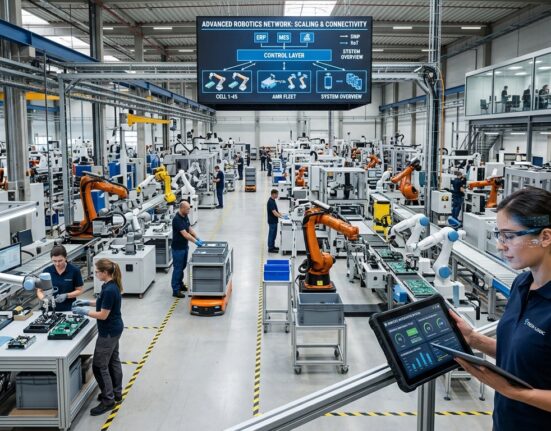
Legacy factories face one major problem: inefficiency. Computer vision upgrades can transform them into smart manufacturing hubs. Vision algorithms detect micro-defects, monitor equipment health, and even track worker safety in real time.
Instead of replacing entire assembly lines, manufacturers can attach smart cameras and edge AI modules to existing machinery—an affordable bridge between old and new.
4. Building and Facility Management
Aging commercial buildings often lack smart systems for energy use or occupancy management. Computer vision can fill that gap by analyzing space utilization, detecting hazards, or controlling HVAC systems based on real-time occupancy data.
This not only saves energy but extends the lifespan of infrastructure assets.
5. Public Safety and Surveillance
Legacy surveillance systems are being revitalized with AI analytics. Modern computer vision models can recognize unusual behavior, detect fires, or alert authorities to hazards automatically.
Governments are integrating vision technologies with public infrastructure to enhance urban safety without invasive overhauls.
The Role of AI and Machine Learning
Computer vision wouldn’t exist without machine learning. These algorithms enable vision systems to interpret images, identify objects, and learn from new data over time.
In legacy infrastructure, AI plays several critical roles:
- Anomaly Detection: Identifying cracks, leaks, or wear before they worsen.
- Predictive Maintenance: Using visual patterns to forecast future failures.
- Automation: Replacing manual inspections with autonomous systems.
- Optimization: Analyzing data to improve energy efficiency and process flow.
Over time, AI-driven vision systems become smarter and more accurate, learning from historical data to reduce false alarms and optimize performance.
How Computer Vision Improves Sustainability
Sustainability and infrastructure renewal are tightly linked. Rebuilding everything from scratch isn’t realistic—but upgrading with AI and computer vision is.
For instance, instead of replacing bridges or railways, authorities can retrofit them with vision sensors that continuously monitor stress levels and environmental impact. This not only reduces costs but cuts down on waste and emissions associated with reconstruction.
Similarly, AI vision can track pollution levels, detect illegal dumping, and ensure efficient energy usage across large facilities. As climate concerns rise, computer vision is becoming an essential tool for sustainable infrastructure management.
Bridging the Skills Gap
One overlooked aspect of modernization is the human element. The future of computer vision in legacy infrastructure depends not just on technology, but on people who can operate, maintain, and interpret it.
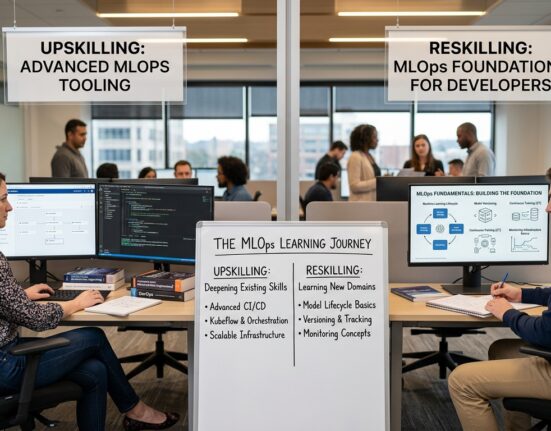
Upskilling the workforce is crucial. Engineers, technicians, and facility managers must learn how to manage AI-driven systems, analyze data insights, and ensure responsible implementation.
Global training programs are emerging to address this gap, blending traditional engineering expertise with digital skills. This human-AI collaboration ensures that technology enhances—not replaces—the workforce.
Ethical and Security Considerations
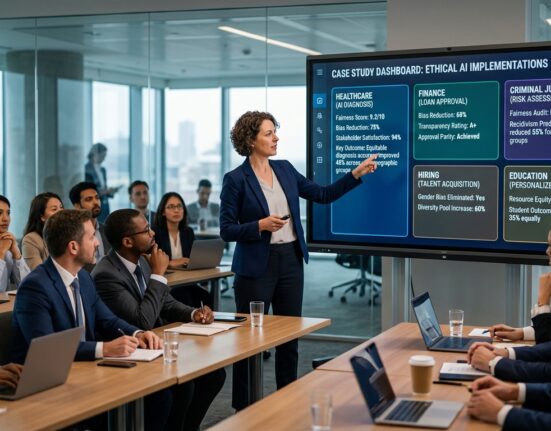
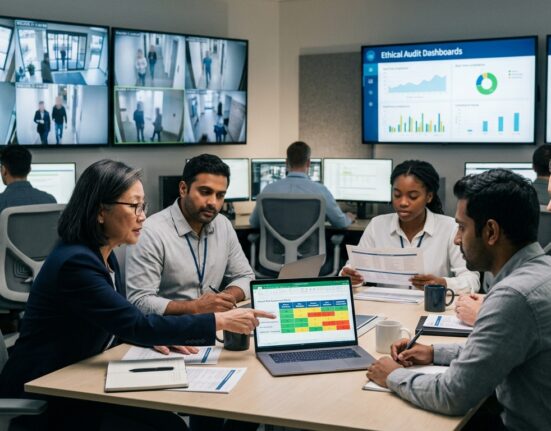
As with any AI technology, computer vision raises ethical and privacy concerns. Surveillance misuse, data breaches, and algorithmic bias must be carefully managed.
To ensure responsible deployment:
- Organizations should anonymize visual data to protect privacy.
- Security protocols must prevent unauthorized access to vision systems.
- Transparent governance should guide how data is collected and used.
The future of computer vision will depend on how well industries balance innovation with accountability.
The Road Ahead for Legacy Infrastructure
Looking ahead, the fusion of computer vision and legacy infrastructure represents a once-in-a-generation opportunity.
In the coming decade, we’ll see old structures reborn as smart ecosystems capable of self-monitoring, adaptation, and continuous improvement. Combined with other emerging technologies like IoT, digital twins, and 5G connectivity, the result will be a global network of intelligent systems that enhance safety, reliability, and efficiency.
Ultimately, computer vision isn’t replacing legacy infrastructure—it’s revitalizing it. It’s turning yesterday’s systems into tomorrow’s intelligent assets.
Conclusion
The future of computer vision in legacy infrastructure is both exciting and inevitable. As the world grapples with aging systems, limited budgets, and growing demands, AI offers a sustainable path forward.
By integrating vision technology into existing structures, we can build smarter cities, safer industries, and more resilient systems—without starting from scratch.
This isn’t just an upgrade; it’s a renaissance. The infrastructure of the past is learning to see the world anew—and what it sees will redefine how we live, work, and build the future.
FAQ
1. What is computer vision in infrastructure?
It’s the use of AI-powered visual systems to monitor, analyze, and optimize physical infrastructure such as bridges, factories, and power grids.
2. How does computer vision modernize legacy systems?
By adding smart cameras and AI analytics, older systems gain real-time monitoring, predictive maintenance, and automated decision-making.
3. What are the benefits of integrating computer vision?
It enhances safety, reduces maintenance costs, prevents failures, and improves efficiency across industrial and public infrastructure.
4. Is computer vision expensive to implement?
Costs vary, but edge-based and modular solutions make implementation more affordable, especially compared to full system replacements.
5. What is the future of computer vision in legacy infrastructure?
The future involves AI-driven, self-monitoring systems that make aging infrastructure smarter, safer, and more sustainable worldwide.