
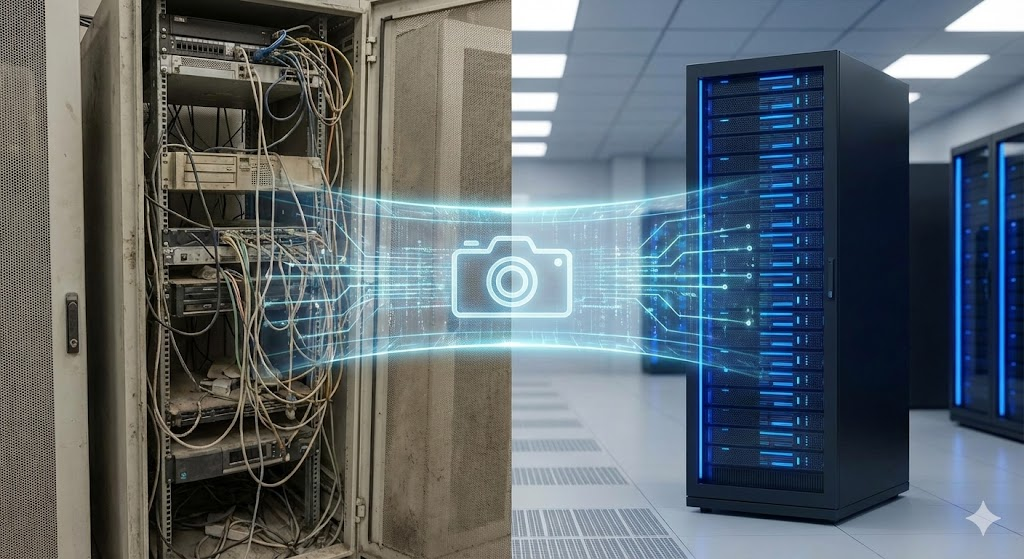
Computer vision legacy systems integration has become one of the most practical paths to modernization. Many organizations rely on legacy platforms that still perform critical functions. These systems are stable, trusted, and deeply embedded. Yet they often lack flexibility, visibility, and modern interfaces.
Replacing them outright is expensive and risky. Downtime is unacceptable. Knowledge is scarce. Dependencies are complex. That reality forces organizations to look for smarter solutions. Computer vision offers one.
Instead of forcing legacy systems to change, computer vision works around them. It observes, interprets, and enhances existing processes without requiring deep system rewrites. This article explores how computer vision legacy systems integration solves compatibility issues while protecting operational continuity.
Why Legacy System Compatibility Is a Growing Problem
Legacy systems were built for a different era. They were designed to run reliably, not to integrate easily.
Over time, environments changed. Data volumes grew. Interfaces became graphical. Expectations shifted toward real-time insight. Legacy platforms struggled to keep up.
Compatibility issues often emerge because:
- Systems lack modern APIs
- Documentation is incomplete or outdated
- Vendor support has ended
- Integration risks disrupt production
Computer vision legacy systems integration bypasses these constraints by adding intelligence externally rather than modifying internal logic.
How Computer Vision Works Around Legacy Limitations
Computer vision does not require direct system access. That is its advantage.
Instead of integrating through code, vision systems observe physical or digital outputs. Screens, gauges, indicators, products, and movements become data sources.
Computer vision legacy systems solutions typically rely on:
- Cameras observing machine behavior
- Visual inspection of outputs
- Screen-reading via optical recognition
- Image-based event detection
By working at the visual layer, compatibility barriers are avoided.
Non-Invasive Integration as a Strategic Advantage
Non-invasive integration preserves stability.
Legacy systems often remain untouched because changes risk failure. Computer vision legacy systems integration respects this reality.
Key benefits of non-invasive approaches include:
- No changes to core system code
- Minimal downtime during deployment
- Reduced dependency on legacy vendors
- Faster time to value
This approach modernizes insight without destabilizing operations.
Enhancing Visibility Without Rewriting Systems
Visibility is a common pain point.
Legacy systems may operate correctly, yet offer little insight into performance, quality, or exceptions. Computer vision fills this gap.
Computer vision legacy systems integration improves visibility by:
- Monitoring physical processes continuously
- Detecting anomalies visually
- Tracking throughput and quality in real time
- Creating digital records from visual data
Insight improves without altering underlying systems.
Bridging the Digital and Physical Divide
Many legacy environments sit between digital and physical worlds.
Machines operate physically. Data exists digitally. The connection is weak or missing. Computer vision acts as a bridge.
By interpreting visual signals, computer vision legacy systems integration translates physical reality into digital intelligence.
This translation enables:
- Real-time monitoring
- Automated alerts
- Data-driven decision-making
- Process optimization
Vision becomes the missing connector.
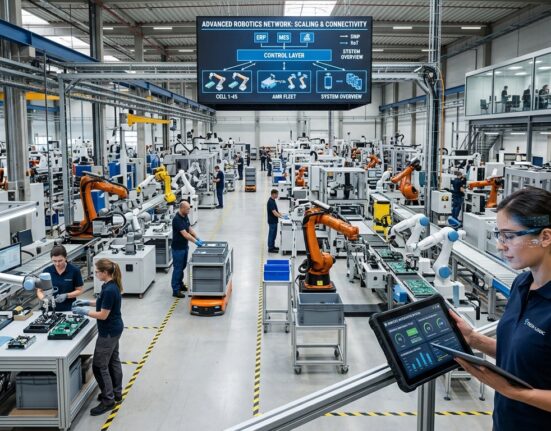
Compatibility Challenges in Manufacturing Environments
Manufacturing environments often showcase the problem clearly.
Legacy machines run reliably but lack sensors or connectivity. Retrofitting them is costly. Replacing them is disruptive.
Computer vision legacy systems solutions help by:
- Monitoring machine states visually
- Inspecting products without embedded sensors
- Tracking line performance through cameras
- Detecting defects without touching equipment
Compatibility issues are solved without hardware replacement.
Computer Vision Legacy Systems in Quality Control
Quality control often depends on manual inspection when systems are outdated.
Manual processes are slow and inconsistent. Yet legacy systems cannot easily support automated inspection.
Computer vision legacy systems integration improves quality by:
- Detecting defects visually
- Standardizing inspection criteria
- Reducing human error
- Increasing inspection speed
Quality improves without modifying production equipment.
Screen-Based Integration for Legacy Interfaces
Many legacy systems still rely on terminal screens or fixed dashboards.
These interfaces are human-readable but machine-hostile. Computer vision changes that.
Screen-based computer vision legacy systems integration allows:
- Reading values from displays
- Tracking changes over time
- Capturing operational states
- Creating machine-readable data
Screens become data sources rather than dead ends.
Reducing Dependency on Scarce Legacy Expertise
Legacy knowledge is disappearing.
Retiring engineers take system understanding with them. Documentation rarely fills the gap.
Computer vision legacy systems solutions reduce dependency by:
- Observing actual behavior
- Creating operational records
- Supporting automated monitoring
- Reducing reliance on tribal knowledge
Systems become easier to manage as insight improves.
Improving Compliance and Audit Readiness
Legacy systems often struggle with compliance reporting.
Data is fragmented. Records are incomplete. Manual audits consume time.
Computer vision legacy systems integration supports compliance by:
- Automatically capturing visual evidence
- Creating timestamped records
- Supporting traceability
- Reducing manual documentation effort
Compliance becomes less painful and more reliable.
Scalability Without Structural Change
Scaling legacy systems is difficult.
Capacity increases often require major upgrades. Computer vision offers a scalable overlay.
Computer vision legacy systems integration scales by:
- Adding cameras instead of rewriting software
- Expanding monitoring incrementally
- Supporting multiple systems consistently
- Avoiding structural dependencies
Growth becomes additive rather than disruptive.
Security and Isolation Benefits
Direct integration increases security risk.
Connecting legacy systems to modern networks exposes vulnerabilities. Computer vision avoids this exposure.
Security advantages include:
- Physical separation from core systems
- Reduced attack surface
- Limited access requirements
- Controlled data flow
Computer vision legacy systems integration enhances insight while preserving isolation.
Human-in-the-Loop Compatibility
Legacy environments depend heavily on people.
Computer vision respects this reality by supporting human oversight rather than replacing it.
Human-in-the-loop designs enable:
- Review of detected issues
- Manual intervention when needed
- Gradual trust building
- Safer automation adoption
Compatibility extends to people, not just machines.
Common Pitfalls When Using Computer Vision with Legacy Systems
Not all deployments succeed.
Common mistakes include:
- Poor camera placement
- Inadequate lighting conditions
- Unrealistic accuracy expectations
- Ignoring environmental variability
Computer vision legacy systems integration requires thoughtful design and testing.
Measuring Value from Computer Vision Integration
Value must be visible.
Organizations should measure outcomes such as:
- Reduced downtime
- Improved defect detection
- Faster response to issues
- Lower manual inspection effort
Metrics validate integration success and guide improvement.
When Computer Vision Is Not the Right Solution
Computer vision is powerful, but not universal.
If processes lack visual signals or operate entirely digitally, other integration methods may be better.
Computer vision legacy systems integration works best when:
- Visual indicators exist
- Physical processes matter
- Direct integration is risky
Understanding fit prevents disappointment.
The Strategic Role of Computer Vision in Modernization
Computer vision is not just a workaround. It is a strategy.
Organizations adopting computer vision legacy systems integration gain:
- Faster modernization timelines
- Lower capital risk
- Improved operational insight
- Greater strategic flexibility
Vision becomes a modernization multiplier.
Conclusion
Computer vision legacy systems integration solves compatibility issues by working with reality rather than against it. Instead of forcing fragile systems to change, vision adds intelligence externally, safely, and incrementally.
By enhancing visibility, reducing dependency on outdated interfaces, and preserving operational stability, computer vision offers a practical path forward. For organizations navigating legacy complexity, it is not just a technical solution. It is a strategic advantage.
FAQ
1. What are computer vision legacy systems?
They refer to the use of computer vision to enhance and integrate with older systems without modifying their core software.
2. Why is computer vision effective for legacy compatibility issues?
Because it works at the visual layer, avoiding risky direct system integration.
3. Can computer vision replace legacy systems entirely?
No. It complements and extends them rather than replacing them.
4. What industries benefit most from computer vision legacy integration?
Manufacturing, logistics, utilities, and infrastructure-heavy sectors benefit the most.
5. What is the biggest risk when deploying computer vision with legacy systems?
Poor environmental setup and unrealistic expectations can limit effectiveness.