
Healthcare runs on history. Hospitals rely on systems built decades ago, stitched together through necessity rather than design. While these platforms still function, they strain under modern demands. Data overload, staff shortages, and rising patient expectations stretch them thin.
Computer vision healthcare modernization offers a rare opportunity. Instead of replacing legacy systems, it enhances them. Cameras become intelligent observers. Visual data turns into actionable insight. Care improves without tearing everything down.
That shift matters. Modernization no longer requires massive disruption. It requires smarter layers.
Why Legacy Healthcare Systems Struggle to Evolve
Legacy healthcare systems were designed for stability, not agility. They excel at record keeping but struggle with real-time awareness. As a result, inefficiencies hide in plain sight.
Manual workflows dominate many hospitals. Nurses record observations by hand. Staff visually monitor patients for hours. Errors creep in through fatigue and distraction.
Meanwhile, these systems lack integration. Data lives in silos. Video feeds remain untapped. Valuable signals disappear as soon as the moment passes.
Computer vision healthcare modernization addresses this gap by extracting insight from what already exists.
What Computer Vision Brings to Healthcare Modernization
Computer vision gives machines the ability to interpret visual information. In healthcare, that means understanding patient movement, clinical workflows, and environmental conditions.
Importantly, computer vision works alongside legacy infrastructure. Existing cameras, monitoring devices, and workflows remain intact.
This layered approach reduces resistance and accelerates adoption.
Modernizing Without Replacing Core Systems
Full system replacement is expensive and risky. Downtime costs lives. Training takes months. Integration breaks often.
Computer vision healthcare modernization avoids these pitfalls. It sits on top of legacy systems rather than inside them. Video streams feed analytics engines. Outputs return as alerts, dashboards, or metadata.
As a result, modernization feels incremental. Departments adopt capabilities gradually. Confidence grows naturally.
This model respects reality. Hospitals cannot stop operating while upgrading.
Patient Safety Through Intelligent Visual Monitoring
Patient safety remains a primary driver of healthcare innovation. Falls, wandering, and delayed response times cause harm daily.
Computer vision healthcare modernization introduces continuous visual monitoring. Systems detect unusual movement, prolonged inactivity, or unsafe behavior.
For example, fall detection models identify motion patterns before impact. Alerts reach nurses instantly. Response times shrink.
Because these systems operate passively, patient dignity improves. No wearable devices are required. Observation feels invisible yet constant.
Reducing Clinician Burnout with Visual Automation
Burnout threatens healthcare worldwide. Staff shortages increase workload. Documentation steals time from care.
Computer vision reduces cognitive burden. Instead of manual observation, systems track routine activities automatically. Compliance checks become passive. Audits no longer require clipboards.
By automating visual tasks, clinicians regain focus. Time shifts back to patients rather than paperwork.
That human impact often outweighs technical benefits.
Workflow Optimization Through Visual Insights
Hospitals are complex ecosystems. Bottlenecks appear unpredictably. Delays ripple across departments.
Computer vision healthcare modernization uncovers hidden inefficiencies. Systems analyze patient flow, room utilization, and staff movement.
Over time, patterns emerge. Administrators adjust schedules. Resources align better with demand.
Because insights rely on visual data, they reflect reality rather than assumptions.
Enhancing Infection Control and Hygiene Compliance
Infection control depends on consistent behavior. However, manual audits miss violations.
Computer vision monitors hand hygiene compliance unobtrusively. Cameras detect entry and exit behavior. Systems log adherence automatically.
As feedback loops improve, compliance rises. Infection rates fall. Accountability becomes objective rather than confrontational.
Importantly, data remains anonymized, preserving trust.
Computer Vision in Diagnostic Support
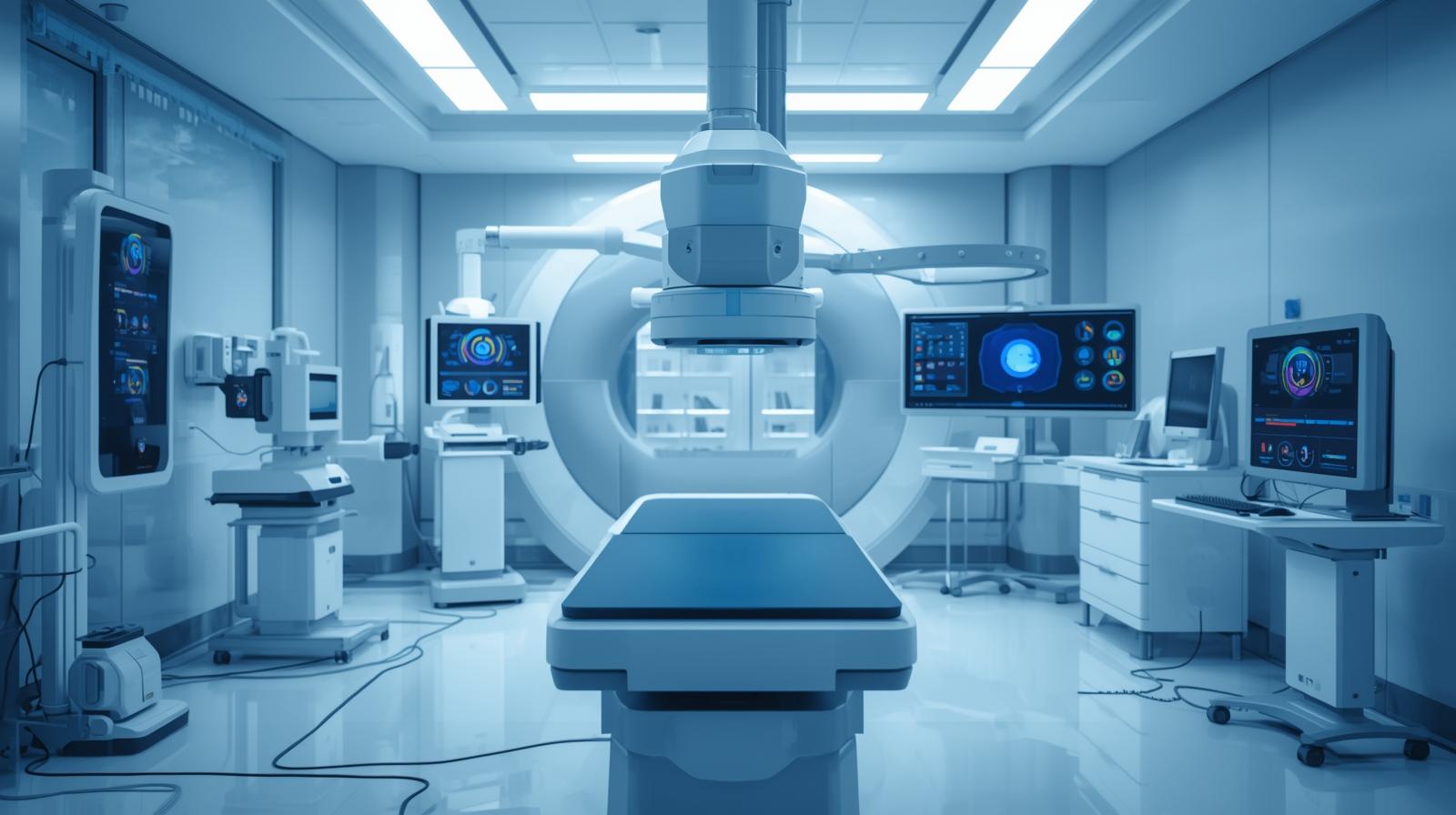
Beyond operations, computer vision aids diagnostics. Imaging analysis accelerates detection. Visual anomalies become easier to identify.
While diagnostic AI often operates separately, integration with legacy systems matters. Results must flow into existing workflows seamlessly.
Computer vision healthcare modernization ensures that new insights reach clinicians where they already work.
This alignment determines adoption success.
Integrating Computer Vision with Electronic Health Records
EHRs anchor modern healthcare. Any innovation must connect to them.
Computer vision outputs integrate as metadata. Alerts appear in patient records. Visual summaries enhance context.
Rather than replacing documentation, vision augments it. Clinicians see what happened, not just what was written.
This synthesis enriches decision-making without overwhelming users.
Privacy, Ethics, and Trust in Visual Data
Healthcare data demands protection. Visual data adds sensitivity.
Computer vision healthcare modernization must prioritize privacy by design. Face anonymization, restricted access, and encrypted streams are essential.
Equally important is transparency. Patients and staff should understand how data is used.
When trust exists, adoption accelerates. Without it, progress stalls.
Edge Processing for Real-Time Healthcare Decisions
Latency matters in healthcare. Seconds save lives.
Edge-based computer vision processes video near the source. Alerts trigger instantly. Bandwidth usage drops.
Legacy systems benefit because infrastructure strain decreases. Real-time decisions become feasible even in constrained environments.
Hybrid models balance speed and scalability effectively.
Scaling Across Departments and Facilities
Once proven, computer vision healthcare modernization scales naturally. New cameras join existing pipelines. Additional use cases layer easily.
Centralized dashboards provide system-wide visibility. Leadership sees performance holistically.
This scalability turns local improvements into organizational transformation.
Overcoming Cultural Resistance to Change
Technology alone does not modernize healthcare. People do.
Staff may fear surveillance. Others distrust automation. Addressing concerns openly matters.
Computer vision should be positioned as support, not oversight. Framing emphasizes safety, efficiency, and relief.
When teams feel empowered, adoption follows.
Measuring ROI in Healthcare Modernization
Return on investment drives sustainability. Computer vision delivers value across dimensions.
Reduced adverse events lower costs. Optimized workflows save time. Improved compliance reduces penalties.
These gains accumulate quietly. Over months, impact becomes undeniable.
Legacy systems suddenly feel modern without being replaced.
The Long-Term Role of Computer Vision in Healthcare
Healthcare modernization is not a destination. It is a journey.
Computer vision evolves continuously. Models improve. Use cases expand.
As systems learn visually, hospitals gain situational awareness previously impossible.
Legacy infrastructure transforms into intelligent platforms, capable of adapting rather than resisting change.
Conclusion
Computer vision healthcare modernization offers a pragmatic path forward. Instead of tearing out legacy systems, it enhances them with intelligence, insight, and responsiveness. By turning visual data into action, healthcare organizations modernize safely, ethically, and effectively. The future of care does not discard the past. It builds upon it with vision.
FAQ
1. What is computer vision healthcare modernization?
It is the use of computer vision to enhance existing healthcare systems without replacing core infrastructure.
2. Can computer vision work with legacy hospital cameras?
Yes. Most solutions integrate directly with existing video streams.
3. Does computer vision replace healthcare staff?
No. It supports clinicians by automating observation and reducing workload.
4. How does computer vision protect patient privacy?
Through anonymization, encryption, access controls, and ethical governance.
5. Is computer vision scalable across large hospital networks?
Yes. Once deployed, systems scale efficiently across departments and facilities.