

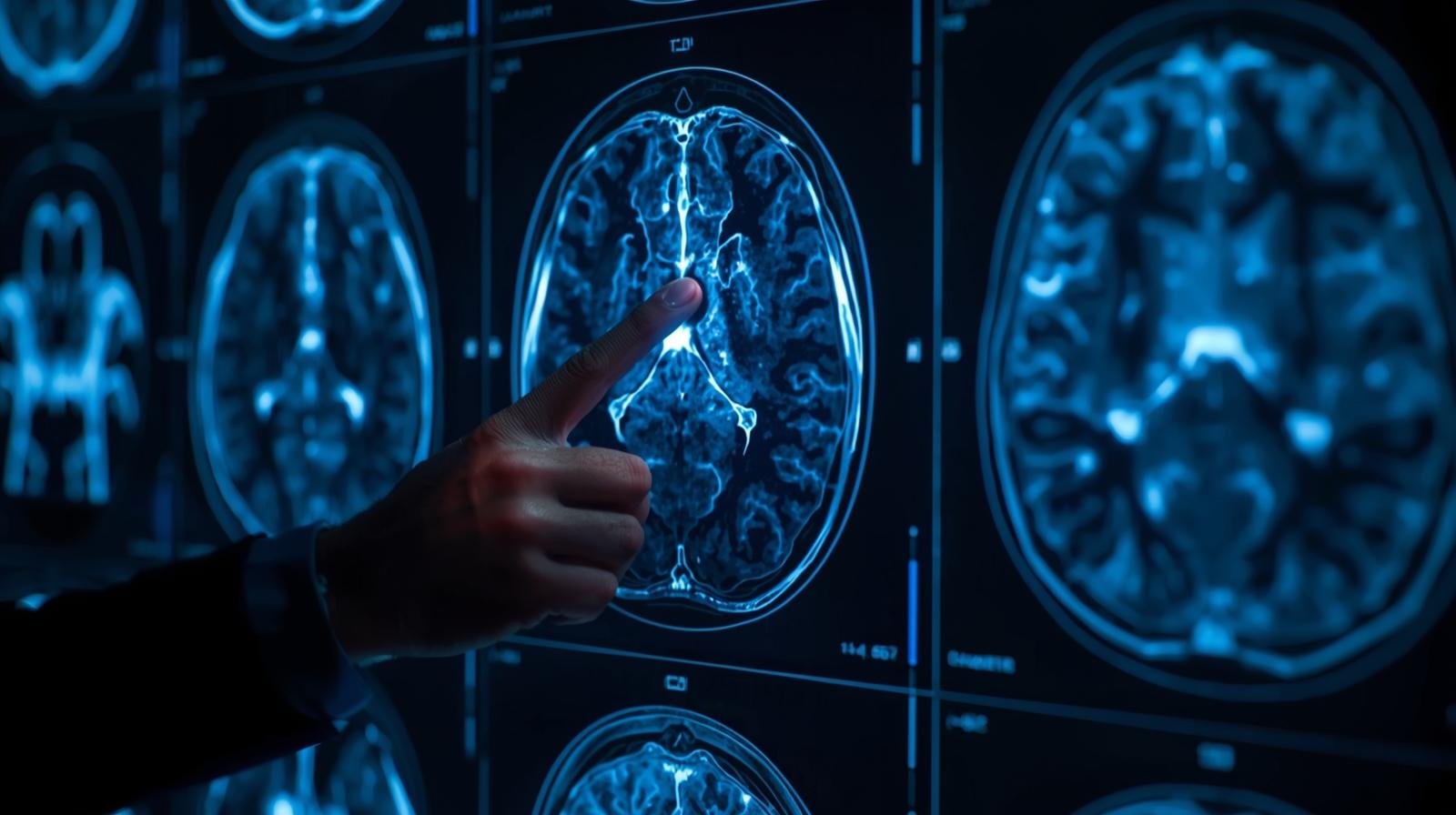
Healthcare systems around the world rely on imaging. X-rays, CT scans, MRIs, and ultrasound machines guide countless clinical decisions every day. However, many of these machines were installed years ago. Some still run on outdated software. Others lack modern analytics. Yet replacing them entirely is costly, slow, and disruptive.
This is where computer vision enters the picture. Instead of ripping out legacy imaging systems, clinicians can enhance them. Computer vision clinical accuracy improves not by replacement, but by intelligent augmentation. Old images gain new meaning. Familiar workflows become sharper. Diagnoses grow more confident.
Think of it like fitting prescription lenses onto a trusted pair of glasses. The frame remains. Vision improves dramatically. That is the promise unfolding across hospitals and clinics today.
Why legacy imaging systems still dominate healthcare
Legacy imaging systems persist for good reasons. They are reliable. Clinicians trust them. Regulatory approvals already exist. Training investments are complete.
Moreover, imaging equipment represents a massive capital expense. Many hospitals operate under tight budgets. Replacing machines every few years is unrealistic.
However, while hardware lasts, software ages quickly. Image interpretation remains heavily manual. Subtle patterns hide in plain sight. Fatigue, workload, and time pressure affect accuracy.
Computer vision clinical accuracy addresses this gap. It brings modern intelligence to proven machines without disrupting care delivery.
Understanding computer vision in a clinical context
Computer vision allows machines to interpret visual data. In medicine, that means analyzing medical images pixel by pixel. Patterns invisible to the human eye become detectable.
Algorithms learn from vast datasets. They identify anomalies, compare structures, and flag deviations. Importantly, they do not replace clinicians. Instead, they assist.
In legacy imaging systems, computer vision often works as a layer. Images are captured as usual. Then, vision models analyze them alongside clinicians. Accuracy improves through collaboration rather than automation alone.
The clinical accuracy challenge in imaging
Accuracy in imaging drives outcomes. Missed findings delay treatment. False positives cause anxiety and unnecessary procedures.
Yet imaging volumes continue rising. Radiologists review hundreds of scans daily. Attention becomes stretched. Even experienced eyes can overlook details.
Computer vision clinical accuracy improves consistency. Algorithms never tire. They scan every image thoroughly. While clinicians focus on judgment, systems handle pattern detection.
This partnership reduces variability. Diagnoses become more standardized. Patients benefit from earlier and more precise interventions.
Enhancing diagnostic confidence without disruption
One concern often surfaces. Will new technology disrupt workflows? In legacy environments, stability matters.
Computer vision solutions increasingly integrate seamlessly. They plug into existing Picture Archiving and Communication Systems. Clinicians view results within familiar interfaces.
Alerts appear as overlays. Heatmaps highlight areas of interest. Confidence scores support decision-making.
Because workflows remain intact, adoption accelerates. Accuracy improves quietly. Care delivery continues uninterrupted.
Computer vision clinical accuracy in radiology
Radiology leads adoption. Chest X-rays, mammograms, and CT scans generate enormous data. Computer vision thrives here.
Algorithms detect nodules, fractures, and lesions with remarkable sensitivity. They measure changes over time precisely. Subtle progression becomes visible.
Radiologists remain in control. They validate findings. However, their cognitive load decreases. Missed details decline.
Clinical accuracy improves not through speed alone, but through depth of analysis.
Improving outcomes in ultrasound imaging
Ultrasound depends heavily on operator skill. Image quality varies. Interpretation can be subjective.
Computer vision assists by standardizing measurements. It identifies anatomical landmarks consistently. AI-guided prompts help technicians capture optimal views.
As a result, diagnostic accuracy improves across skill levels. Variability shrinks. Confidence grows.
Legacy ultrasound systems gain new life through software intelligence rather than hardware overhaul.
Pathology and computer vision augmentation
Pathology relies on visual assessment too. Slides are examined under microscopes. Patterns signal disease.
Digitized pathology images analyzed through computer vision reveal micro-level changes. Algorithms count cells, detect anomalies, and quantify markers.
Legacy microscopes combined with digital capture systems benefit immediately. Clinical accuracy improves through objective measurement.
Pathologists spend less time counting and more time interpreting.
Reducing diagnostic bias and variability
Human interpretation carries bias. Experience, expectations, and fatigue influence conclusions.
Computer vision clinical accuracy introduces objectivity. Algorithms apply consistent criteria. They do not assume outcomes.
This balance reduces diagnostic variability between practitioners. Standards rise uniformly.
Importantly, clinicians remain aware of algorithmic limitations. Human oversight ensures context remains central.
Early detection through subtle pattern recognition
Many diseases begin subtly. Early-stage cancers, microfractures, or tissue changes often evade detection.
Computer vision excels at identifying faint signals. Pixel-level analysis reveals early indicators.
Early detection saves lives. Treatment begins sooner. Outcomes improve.
Legacy imaging systems capture the data already. Computer vision unlocks its hidden value.
Clinical accuracy in emergency settings
Emergency departments move fast. Imaging decisions must be rapid and accurate.
Computer vision supports triage. Algorithms flag critical findings immediately. Clinicians prioritize urgent cases.
This speed improves outcomes without sacrificing accuracy. In time-sensitive situations, seconds matter.
Legacy systems enhanced with vision tools become safer under pressure.
Data-driven learning from historical images
Hospitals store vast image archives. These datasets contain untapped insights.
Computer vision models learn from historical images. Patterns linked to outcomes emerge. Accuracy improves continually.
Legacy systems become part of a learning ecosystem. Past data informs future care.
Knowledge compounds without new hardware investments.
Regulatory and safety considerations
Healthcare technology demands rigor. Safety matters. Accuracy must be validated.
Computer vision tools undergo clinical trials and regulatory review. Models are trained carefully. Performance is monitored.
In legacy systems, deployment often occurs as decision support rather than autonomous diagnosis. This approach aligns with regulatory frameworks.
Clinical accuracy improves responsibly and transparently.
Interoperability with legacy infrastructure
One challenge involves interoperability. Legacy systems use varied formats and protocols.
Modern computer vision platforms address this through flexible integration layers. Standards such as DICOM remain central.
As a result, hospitals avoid disruptive replacements. Systems communicate smoothly.
Accuracy gains arrive without technical upheaval.
Improving clinician trust and adoption
Trust determines success. Clinicians must believe tools help rather than hinder.
Transparent explanations build confidence. Visual cues show why findings matter. Performance metrics demonstrate reliability.
Over time, clinicians see reduced errors and improved outcomes. Trust deepens.
Computer vision clinical accuracy becomes a valued assistant rather than a black box.
Training and skill enhancement
Computer vision supports education. Trainees learn faster with guided feedback. Experienced clinicians refine skills through comparison.
Legacy systems become teaching platforms. Accuracy improves across generations.
Knowledge transfer strengthens. Standards rise.
Addressing resource constraints in smaller facilities
Smaller clinics often rely on older equipment. Budgets limit upgrades.
Computer vision levels the field. Software-based enhancement provides advanced capabilities without massive spending.
Clinical accuracy improves regardless of location. Access becomes more equitable.
Healthcare quality spreads beyond major centers.
Operational efficiency and workflow gains
Accuracy and efficiency align. Fewer errors reduce rework. Clear findings speed decisions.
Computer vision automates measurements and documentation. Reports generate faster. Clinicians focus on care.
Legacy imaging workflows become streamlined. Productivity improves alongside accuracy.
Ethical considerations in augmented diagnosis
Ethics matter. Computer vision must support, not override, human judgment.
Transparency, bias mitigation, and accountability guide deployment. Diverse training data reduces skew.
When ethics guide design, clinical accuracy improves responsibly.
Trust remains intact.
Future evolution of legacy imaging
Legacy does not mean obsolete. With augmentation, systems evolve.
Computer vision models will grow more precise. Integration will deepen. Real-time analysis will expand.
Legacy imaging systems become smarter assets rather than liabilities.
Investment value extends. Care quality improves sustainably.
The economic case for augmentation
Replacing imaging equipment costs millions. Augmenting software costs far less.
Return on investment appears quickly. Reduced errors lower costs. Early detection saves resources.
Computer vision clinical accuracy delivers both clinical and financial value.
Decision-makers recognize this balance increasingly.
Global impact and scalability
Globally, many regions rely on aging imaging infrastructure. Computer vision offers scalable improvement.
Cloud-based models support remote analysis. Expertise travels digitally.
Clinical accuracy improves worldwide, not just in advanced hospitals.
Healthcare equity strengthens.
Conclusion
Computer vision clinical accuracy transforms legacy imaging systems from static tools into intelligent partners. Without replacing trusted machines, healthcare providers unlock deeper insight, consistency, and confidence.
Accuracy improves through collaboration. Clinicians remain central. Technology supports silently and effectively.
By enhancing what already exists, healthcare advances responsibly. Legacy systems gain new relevance. Patients receive better care. That is progress worth embracing.
FAQ
1. What is computer vision clinical accuracy?
It refers to improved diagnostic precision achieved by applying computer vision to medical imaging.
2. Can computer vision work with older imaging systems?
Yes, software-based solutions integrate with legacy systems without replacing hardware.
3. Does computer vision replace clinicians?
No, it supports clinicians by highlighting patterns and reducing oversight risks.
4. Is computer vision safe for clinical use?
When properly validated and regulated, it enhances safety and diagnostic reliability.
5. Which imaging areas benefit most from computer vision?
Radiology, ultrasound, pathology, and emergency imaging see significant accuracy gains.