
AI ethics across industries has moved from theory to necessity. Artificial intelligence now influences who gets hired, who receives loans, how patients are treated, and how public services operate. As AI becomes embedded in everyday decisions, ethical questions follow closely behind.
People want innovation. However, they also want fairness, transparency, and accountability. When AI systems fail ethically, trust collapses fast. Headlines follow. Regulations tighten. Reputations suffer.
This article explains how AI ethics across industries works in practice, why ethical expectations differ by sector, and what organizations must understand to deploy AI responsibly in a rapidly changing world.
Why AI Ethics Across Industries Matters Now
AI systems scale decisions quickly. A single model can impact millions of people in seconds. That scale magnifies both benefits and harm.
AI ethics across industries matters because:
- Decisions are increasingly automated
- Bias can spread rapidly
- Errors affect real lives
- Trust determines adoption
Without ethical safeguards, AI amplifies existing inequalities instead of solving them. As a result, organizations face not only technical risk but social risk as well.
Ethics is no longer separate from performance. It directly affects outcomes.
Core Principles Behind AI Ethics Across Industries
Although industries differ, ethical AI rests on shared foundations.
Most AI ethics frameworks emphasize:
- Fairness and non-discrimination
- Transparency and explainability
- Accountability and oversight
- Privacy and data protection
- Safety and reliability
AI ethics across industries adapts these principles to specific contexts. Healthcare emphasizes safety. Finance emphasizes fairness. Government emphasizes accountability. The core values remain consistent, but priorities shift.
AI Ethics Across Industries in Healthcare
Healthcare AI affects lives directly. Mistakes carry serious consequences.
Ethical concerns in healthcare include biased diagnostics, opaque decision-making, and misuse of patient data. Models trained on narrow datasets can misdiagnose underrepresented groups.
AI ethics across industries takes special care in healthcare by emphasizing:
- Clinical validation and accuracy
- Human oversight in decision-making
- Informed consent for data use
- Protection of sensitive health information
Trust is essential. Without it, adoption fails regardless of technical performance.
Financial Services and Ethical AI Expectations
Finance relies heavily on automated decision-making. Credit scoring, fraud detection, and risk assessment increasingly depend on AI.
Ethical risks emerge when models discriminate or cannot explain decisions. Customers denied loans want reasons. Regulators demand transparency.
In financial services, AI ethics across industries focuses on:
- Explainable decision logic
- Fair lending practices
- Bias testing and monitoring
- Strong audit trails
Ethical compliance is closely tied to legal compliance in this sector.
AI Ethics Across Industries in Hiring and HR
Hiring algorithms influence careers. Small biases can shape entire workforces.
AI-driven recruitment tools risk reinforcing historical discrimination if training data reflects past inequities. Ethical AI in HR requires careful design and oversight.
Key ethical priorities include:
- Bias mitigation in candidate screening
- Transparency in automated decisions
- Human review of final outcomes
- Respect for applicant privacy
AI ethics across industries highlights HR as a high-impact, high-risk domain.
Government and Public Sector AI Ethics
Public sector AI faces the highest scrutiny. Decisions affect citizens’ rights and access to services.
Ethical failures in government AI undermine democratic trust. Surveillance, predictive policing, and benefits allocation raise serious concerns.
In this sector, AI ethics across industries emphasizes:
- Accountability to the public
- Clear governance structures
- Explainable and contestable decisions
- Strict limits on surveillance
Public trust is fragile. Ethical lapses carry lasting consequences.
Retail, Marketing, and Consumer AI Ethics
Consumer-facing AI shapes behavior subtly. Recommendations, pricing, and personalization influence choices without users always realizing it.
Ethical risks include manipulation, privacy invasion, and lack of consent. Dark patterns erode trust quickly.
AI ethics across industries applies here by focusing on:
- Transparent data collection practices
- Honest personalization strategies
- Respect for consumer autonomy
- Protection against exploitative targeting
Long-term brand trust depends on ethical restraint.
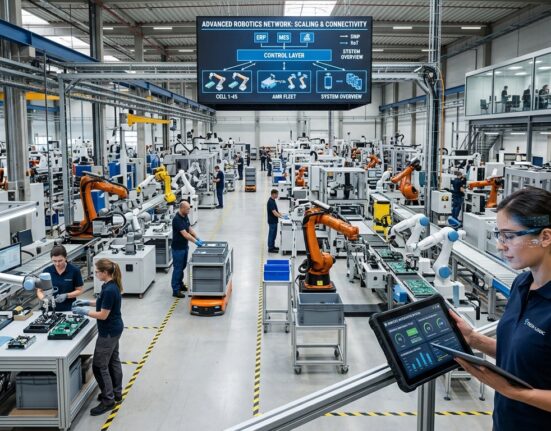
Manufacturing and Industrial AI Ethics
Manufacturing AI focuses on efficiency, safety, and optimization. Ethical issues often relate to worker impact rather than consumer harm.
Automation raises questions about job displacement, surveillance, and safety.
Ethical priorities include:
- Worker safety and dignity
- Transparent monitoring practices
- Fair workforce transitions
- Accountability for automated decisions
AI ethics across industries reminds organizations that productivity gains must not ignore human cost.
Bias as a Cross-Industry Ethical Risk
Bias appears everywhere AI exists. It does not respect industry boundaries.
Training data reflects society. Without intervention, models replicate historical inequality.
AI ethics across industries addresses bias through:
- Diverse and representative datasets
- Regular bias testing
- Continuous monitoring in production
- Clear escalation paths
Bias management is not a one-time task. It is an ongoing responsibility.
Transparency and Explainability Across Sectors
Black-box AI erodes trust.
People affected by decisions want explanations. Regulators increasingly demand them. Transparency supports accountability.
Across industries, ethical AI requires:
- Interpretable model outputs
- Documented decision processes
- Clear communication with stakeholders
- Accessible appeal mechanisms
Explainability bridges the gap between technical systems and human understanding.
Privacy and Data Ethics Across Industries
Data fuels AI. Data misuse fuels backlash.
Privacy expectations vary by industry, but ethical obligations remain strong. Consent, minimization, and security matter everywhere.
AI ethics across industries emphasizes:
- Collecting only necessary data
- Protecting sensitive information
- Respecting user consent
- Ensuring secure storage and access
Privacy violations often trigger the fastest loss of trust.
Regulation and AI Ethics Alignment
Regulation is accelerating globally. Ethical frameworks often inform laws.
Industries face increasing requirements for transparency, fairness, and accountability. Ethical AI prepares organizations for compliance rather than reacting under pressure.
AI ethics across industries aligns ethics with regulation by:
- Embedding governance early
- Documenting decisions clearly
- Maintaining audit readiness
- Supporting responsible innovation
Ethics becomes proactive risk management.
Organizational Responsibility and Governance
Ethics does not enforce itself.
Organizations must define ownership, oversight, and accountability for AI systems. Ethics committees, review boards, and clear policies matter.
Effective governance includes:
- Defined ethical standards
- Cross-functional oversight
- Regular system reviews
- Clear escalation processes
AI ethics across industries works best when responsibility is shared, not siloed.
Balancing Innovation and Ethical Responsibility
Speed tempts shortcuts. Ethics demands patience.
Organizations often fear ethics will slow innovation. In reality, ethical clarity accelerates adoption by reducing backlash and rework.
Balanced approaches focus on:
- Responsible experimentation
- Gradual deployment
- Continuous evaluation
- Stakeholder engagement
Sustainable innovation respects ethical boundaries.
The Cost of Ignoring AI Ethics
Ethical failures are expensive.
Costs include regulatory fines, reputational damage, legal exposure, and loss of customer trust. Recovery takes time and resources.
AI ethics across industries demonstrates that prevention is far cheaper than remediation.
Ethics protects value. It does not reduce it.
The Future of AI Ethics Across Industries
Ethical expectations will only increase. Public awareness is growing. Regulations are evolving. Technology is advancing.
Future-ready organizations will:
- Embed ethics into design
- Treat trust as a metric
- Invest in transparency
- Continuously adapt governance
AI ethics across industries will shape who succeeds and who struggles.
Conclusion
AI ethics across industries is no longer a theoretical debate. It is a practical requirement for responsible, sustainable innovation. As AI systems influence more decisions, ethical responsibility grows alongside technical capability.
Organizations that understand ethical expectations across sectors build trust, reduce risk, and strengthen long-term value. Those that ignore ethics may move fast, but they will not move far. Responsible AI is not just the right thing to do. It is the smart thing to do.
FAQ
1. What does AI ethics across industries mean?
It refers to applying ethical AI principles consistently while adapting them to sector-specific risks and responsibilities.
2. Why does AI ethics differ by industry?
Because the impact, risk level, and regulatory expectations vary across sectors like healthcare, finance, and government.
3. Is ethical AI required by law?
In many regions, ethical principles are becoming formal legal requirements through AI regulations.
4. How can organizations implement ethical AI effectively?
By embedding governance, transparency, bias monitoring, and accountability into AI development and deployment.
5. What is the biggest risk of ignoring AI ethics?
Loss of trust, regulatory penalties, reputational damage, and long-term business harm.