

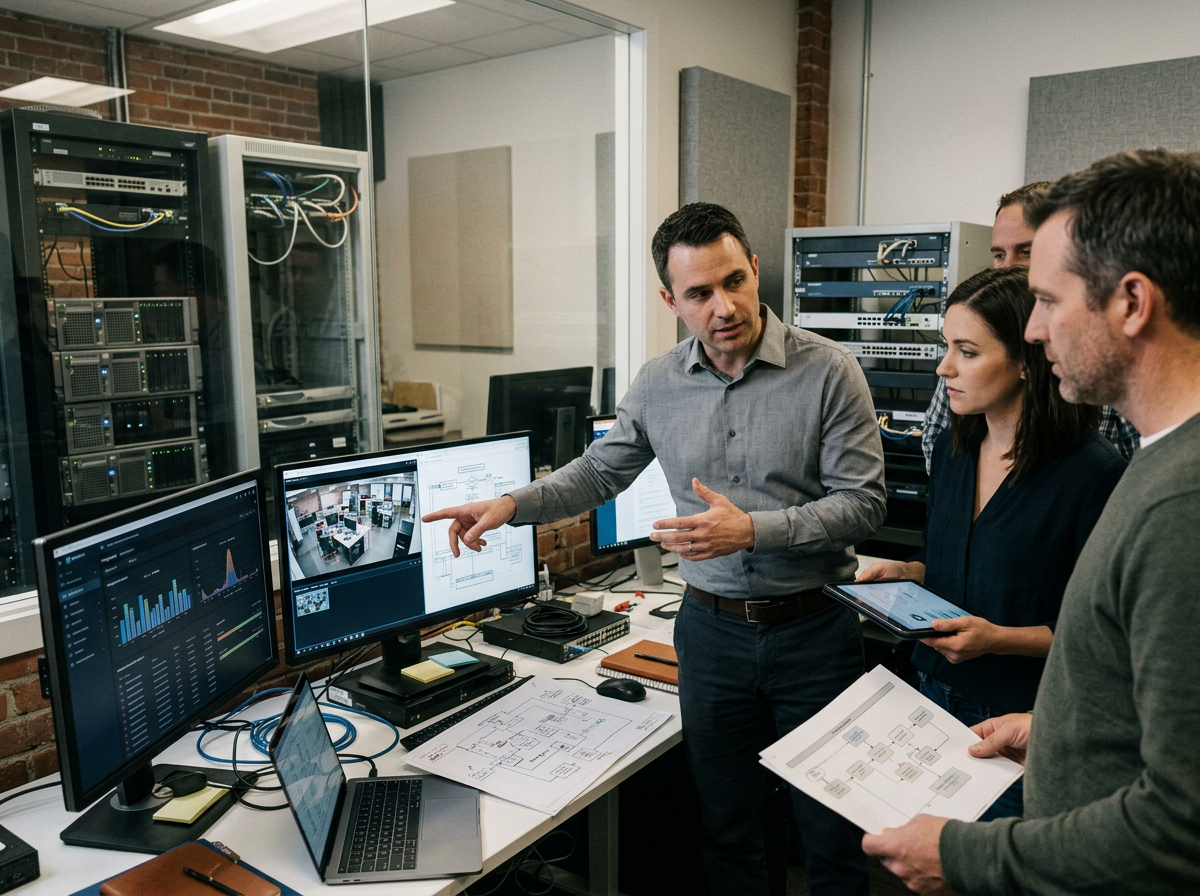
Businesses across many industries continue modernizing outdated systems to remain competitive in increasingly digital markets. Legacy IT environments often struggle with slow processing, fragmented data, limited automation, and rising maintenance costs. At the same time, organizations want smarter operational tools that improve efficiency without requiring complete infrastructure replacement. Because of these growing demands, computer vision workflows have become an important part of modern digital transformation strategies.
Computer vision systems allow machines to interpret visual information from images, video feeds, documents, and operational environments. These technologies help organizations automate inspections, monitor workflows, improve analytics, and process visual data more efficiently. As artificial intelligence continues evolving, companies increasingly integrate computer vision capabilities into older operational systems.
However, modernization projects rarely happen without challenges. Many legacy systems were never designed to support AI-powered applications or real-time analytics. Consequently, organizations often face integration difficulties, workforce adaptation concerns, and infrastructure limitations during implementation.
Computer vision workflows help businesses bridge the gap between older operational systems and modern automation technologies. Instead of replacing entire infrastructures immediately, organizations can gradually integrate intelligent visual processing into existing environments. This approach reduces disruption while improving operational flexibility and efficiency over time.
Businesses that operationalize computer vision successfully usually focus on both technical integration and organizational readiness. Strong planning, workforce training, and scalable deployment strategies help companies modernize workflows more effectively while minimizing operational risks.
Why Legacy Systems Create Integration Challenges
Legacy IT systems continue supporting many core business operations despite their limitations. These environments often manage inventory systems, manufacturing operations, customer records, logistics platforms, and financial workflows. Although older systems remain functional, they frequently lack compatibility with modern AI technologies.
Computer vision workflows often require real-time data processing, advanced analytics capabilities, and scalable computing infrastructure. Unfortunately, many legacy systems depend on outdated architectures that limit flexibility and operational speed. As a result, organizations may struggle with performance bottlenecks during integration projects.
Data silos also create significant operational problems. Older systems often store information across disconnected platforms that communicate poorly with each other. Consequently, computer vision applications may struggle to access consistent and reliable operational data.
Infrastructure limitations further complicate implementation efforts. Legacy environments may lack cloud integration, GPU processing support, or modern networking capabilities required for AI-powered visual analysis. Therefore, businesses often need phased modernization strategies rather than immediate large-scale deployment.
Security concerns additionally increase during integration projects. Older systems may contain vulnerabilities that create risks when connected to modern AI platforms. Organizations must therefore evaluate cybersecurity requirements carefully throughout deployment planning.
Operational downtime represents another common challenge. Many businesses rely heavily on legacy systems for daily operations, making large-scale replacement difficult. Companies often prefer gradual integration approaches that minimize workflow disruption while supporting continuous operations.
The Growing Role of Computer Vision in Operations
Artificial intelligence continues transforming operational workflows across multiple industries. Businesses now use visual automation tools for quality control, inventory tracking, document processing, workplace safety monitoring, and predictive maintenance. Consequently, computer vision workflows continue expanding rapidly throughout modern enterprise environments.
Manufacturing organizations frequently use computer vision for automated defect detection and production monitoring. Cameras and AI systems analyze products in real time while identifying inconsistencies faster than manual inspections. This automation improves product quality while reducing operational waste.
Retail companies also increasingly rely on visual analytics for inventory management and customer behavior analysis. Automated systems help businesses monitor shelf inventory, optimize layouts, and improve operational efficiency throughout retail environments.
Healthcare providers use computer vision technologies for diagnostic imaging, patient monitoring, and administrative automation. These systems support faster analysis while improving workflow accuracy in high-demand medical environments.
Logistics companies benefit from automated package tracking and warehouse monitoring systems as well. Computer vision applications improve inventory visibility while supporting more efficient supply chain operations.
Document processing additionally remains a major use case. Businesses can automate invoice scanning, record management, and form processing through intelligent image recognition systems. This capability significantly reduces manual administrative workloads.
Building Scalable Integration Strategies
Successful modernization projects require careful planning and realistic implementation goals. Organizations rarely operationalize advanced AI systems successfully through rushed deployments or large-scale infrastructure overhauls. Instead, businesses usually achieve stronger results through phased integration strategies.
Computer vision workflows become more manageable when organizations prioritize smaller operational improvements initially. Pilot programs allow businesses to test AI capabilities within limited environments before expanding deployment across larger operations. Consequently, companies reduce operational risks while gathering valuable performance insights.
Workflow analysis remains especially important during planning phases. Organizations should evaluate how existing systems manage data, support operational processes, and communicate across departments. Clear understanding of current workflows helps businesses identify the most valuable automation opportunities.
API-based integration strategies often improve flexibility as well. Modern middleware solutions can connect legacy systems with newer AI platforms without requiring complete infrastructure replacement. This approach supports gradual modernization while preserving critical operational systems.
Cloud adoption frequently strengthens scalability during integration projects. Hybrid cloud environments allow organizations to process visual data more efficiently while maintaining compatibility with older operational platforms. Consequently, businesses gain greater flexibility without abandoning existing infrastructure entirely.
Cross-functional collaboration additionally improves implementation outcomes. IT teams, operations managers, cybersecurity specialists, and business leaders should work together throughout modernization initiatives. Diverse perspectives help organizations identify workflow challenges and operational priorities more effectively.
Managing Data Quality and Workflow Consistency
Computer vision systems depend heavily on accurate and reliable data. Poor image quality, inconsistent formatting, and fragmented operational information can reduce system performance significantly. Therefore, businesses must prioritize data quality management throughout integration projects.
Computer vision workflows perform more effectively when organizations standardize data collection and storage processes. Consistent image resolution, labeling practices, and operational documentation improve system reliability while supporting stronger analytics capabilities.
Data cleansing also becomes essential during modernization initiatives. Legacy systems often contain duplicate records, outdated information, and inconsistent formatting. Organizations should therefore evaluate existing datasets carefully before integrating AI-powered applications.
Real-time processing requirements further increase operational complexity. Many computer vision applications rely on fast data transfer and immediate analysis capabilities. Consequently, businesses may need upgraded networking infrastructure and optimized workflows to support operational efficiency.
Monitoring systems help organizations maintain workflow consistency after deployment as well. Businesses should regularly evaluate system performance, operational accuracy, and processing reliability throughout daily operations.
Governance policies additionally support long-term operational stability. Clear standards regarding data handling, image processing, storage practices, and system monitoring help organizations maintain consistent workflows across departments.
Workforce Training and Organizational Readiness
Technology alone cannot guarantee successful modernization outcomes. Employees also need the skills and confidence required to manage AI-powered operational systems effectively. Therefore, workforce development remains a critical part of operationalizing computer vision technologies.
Computer vision workflows often change how employees complete tasks, analyze information, and manage operational responsibilities. Workers may initially feel uncertain about automation or unfamiliar technologies. Consequently, organizations should provide clear communication and practical training opportunities during implementation.
Hands-on learning usually produces stronger results than theoretical instruction alone. Employees retain knowledge more effectively when they interact directly with operational systems and real-world scenarios. Practical workshops help teams build confidence while improving long-term adoption rates.
Different departments also require different training approaches. Technical teams may focus on system maintenance, troubleshooting, and integration management. Meanwhile, operational staff often need workflow-focused education related to daily usage and analytics interpretation.
Leadership involvement strengthens workforce readiness as well. Employees often feel more engaged when executives actively support training initiatives and modernization goals. Visible leadership participation reinforces organizational commitment during periods of operational change.
Continuous learning remains essential because AI technologies continue evolving rapidly. Businesses that encourage ongoing education and collaborative problem-solving usually adapt more effectively to future technological advancements.
Improving Efficiency Through Intelligent Automation
Operational efficiency remains one of the primary reasons organizations invest in visual automation technologies. Legacy systems often rely heavily on manual processing, repetitive tasks, and slow operational workflows. However, AI-powered automation can improve these processes significantly.
Computer vision workflows reduce manual workloads by automating image analysis, document processing, inspection tasks, and operational monitoring. Employees can therefore focus more heavily on decision-making, customer service, and strategic responsibilities.
Real-time analytics additionally improve operational responsiveness. Businesses can identify defects, security concerns, or workflow disruptions faster through intelligent visual monitoring systems. Early issue detection helps organizations reduce downtime and operational losses.
Automation also strengthens consistency across workflows. Manual processes naturally involve variations and occasional human errors. However, computer vision systems maintain predictable performance throughout repetitive operational tasks.
Scalability further improves through intelligent automation. Organizations can process larger volumes of visual information without increasing labor-intensive workloads substantially. Consequently, businesses adapt more effectively to changing operational demands.
Predictive maintenance capabilities additionally support efficiency improvements. AI systems can monitor equipment conditions visually while identifying early warning signs before failures occur. This proactive approach reduces maintenance costs while improving operational reliability.
Strengthening Security and Compliance
Security and compliance concerns remain critical during modernization projects. Legacy systems may contain outdated security frameworks that create vulnerabilities when connected to modern AI platforms. Therefore, organizations must prioritize cybersecurity throughout integration planning.
Computer vision workflows often process sensitive operational and personal information. Businesses should therefore implement strong access controls, encryption protocols, and monitoring systems that protect data integrity.
Compliance requirements also continue evolving across industries. Healthcare, finance, manufacturing, and retail organizations all face different regulatory expectations related to data protection and operational transparency. Companies should evaluate legal obligations carefully before deploying AI-powered systems.
Audit trails improve accountability throughout operational workflows as well. Modern computer vision platforms can track processing activities, operational decisions, and system interactions automatically. This visibility strengthens governance while supporting regulatory compliance efforts.
Employee awareness remains equally important. Workers should understand cybersecurity risks, responsible data handling practices, and operational security protocols during daily system usage. Training programs therefore play a major role in protecting modernized environments.
Regular system evaluations further improve long-term security. Businesses should monitor vulnerabilities, review operational performance, and update security measures continuously as technologies evolve.
Preparing Legacy IT for Future AI Expansion
Artificial intelligence capabilities will continue expanding across enterprise operations during the coming years. Businesses that modernize strategically today will remain better prepared for future technological opportunities and operational demands.
Computer vision workflows create strong foundations for broader AI adoption because they improve data processing, automation capabilities, and operational intelligence. Organizations that integrate visual automation successfully often expand into predictive analytics, intelligent monitoring, and advanced machine learning applications more efficiently.
Flexible infrastructure becomes increasingly valuable during this evolution. Businesses should prioritize scalable architectures, cloud compatibility, and modular deployment strategies that support future innovation without requiring constant infrastructure replacement.
Operational agility also improves through gradual modernization efforts. Organizations that adopt adaptable technologies can respond more effectively to changing customer expectations, industry regulations, and competitive pressures.
Partnerships with experienced technology providers may further strengthen long-term modernization outcomes. External specialists often provide valuable guidance regarding integration strategies, security planning, and workflow optimization.
Continuous improvement ultimately remains essential. AI technologies evolve rapidly, and businesses must regularly evaluate operational performance, workforce readiness, and infrastructure capabilities to maintain long-term competitiveness.
Conclusion
Legacy IT systems continue supporting many critical business operations, yet outdated infrastructures often limit efficiency, scalability, and innovation. Fortunately, modern visual automation technologies provide organizations with practical opportunities to modernize workflows without requiring complete operational replacement.
Computer vision workflows help businesses improve automation, operational accuracy, real-time analytics, and workflow consistency across multiple industries. Companies can gradually integrate intelligent visual processing into existing systems while minimizing disruption and preserving operational continuity.
Successful implementation depends on careful planning, workforce training, scalable integration strategies, and strong data management practices. Organizations that prioritize both technology and organizational readiness usually achieve stronger long-term modernization outcomes.
As artificial intelligence continues advancing, businesses that operationalize computer vision effectively will remain better positioned for future growth, operational efficiency, and digital transformation success.
FAQ
1. Why Do Legacy IT Systems Struggle With AI Integration?
Older systems often lack scalability, real-time processing capabilities, and compatibility with modern AI technologies.
2. How Does Computer Vision Improve Operational Workflows?
Computer vision automates inspections, document processing, monitoring tasks, and visual data analysis more efficiently.
3. What Industries Commonly Use Visual Automation Systems?
Manufacturing, healthcare, logistics, retail, and finance frequently use computer vision technologies for operational improvements.
4. Why Is Employee Training Important During AI Modernization?
Training helps employees understand new systems, improve adoption rates, and manage automated workflows confidently.
5. How Can Businesses Reduce Risks During Integration Projects?
Organizations reduce risks through phased deployment strategies, workflow analysis, cybersecurity planning, and continuous monitoring.
Leave feedback about this