

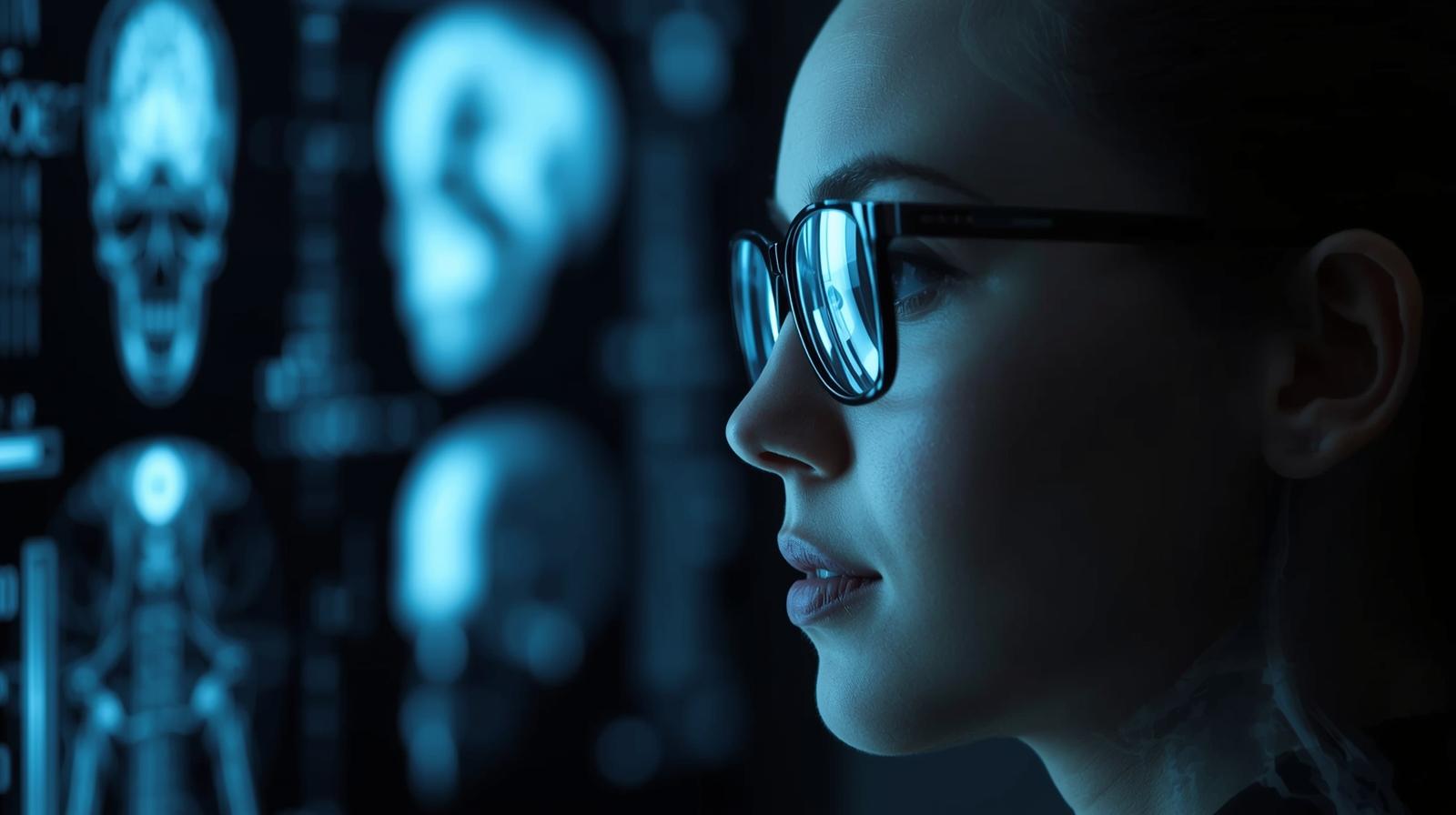
Hospitals are busy ecosystems. Patients move. Staff rotate. Conditions change by the minute. Yet many hospitals still rely on aging monitoring systems that were never designed for constant awareness. Vital signs are checked periodically. Alerts arrive late. Subtle warning signs slip through unnoticed.
This gap between reality and response creates risk. However, there is a practical solution emerging. Computer vision patient monitoring is transforming real-time care by adding intelligence to existing hospital infrastructure. Instead of replacing trusted systems, it enhances them.
Think of it as giving older hospitals a new sense of sight. Cameras already exist. Screens already display feeds. Computer vision turns those visuals into actionable insights. Care becomes proactive instead of reactive.
Why real-time monitoring matters in modern care
Healthcare does not pause. A patient can deteriorate in minutes. Falls happen suddenly. Respiratory distress escalates quietly. Delayed detection often leads to worse outcomes.
Traditional monitoring focuses on intervals. Nurses check vitals on rounds. Alarms trigger only after thresholds are crossed. While effective, this approach leaves gaps.
Computer vision patient monitoring fills those gaps. It observes continuously. It notices posture changes, movement patterns, and behavior shifts. As a result, care teams gain earlier awareness.
Earlier awareness leads to faster intervention. Faster intervention saves lives.
The reality of older hospital systems
Many hospitals operate with legacy infrastructure. Budget constraints slow upgrades. Regulatory approval takes time. Staff training requires consistency.
Older systems still perform core functions well. However, they lack advanced analytics. They do not interpret visual cues. They cannot learn from patterns.
Replacing them entirely would disrupt operations. Computer vision offers a gentler path. It integrates as a layer, not a replacement.
That balance makes adoption realistic.
How computer vision works in patient monitoring
Computer vision analyzes video streams frame by frame. Algorithms detect movement, posture, and presence. They recognize behaviors rather than identities.
Importantly, most systems focus on patterns, not faces. Privacy is preserved. Data is abstracted into signals.
In patient rooms, computer vision monitors breathing motion, bed exits, and unusual stillness.
The technology works silently. Patients are not disturbed. Staff are supported rather than overwhelmed.
Computer vision patient monitoring for fall prevention
Falls remain a major hospital risk. Older patients are especially vulnerable. Traditional alarms often trigger after a fall occurs.
Computer vision changes that sequence. It detects attempts to leave beds. It notices unstable movement. Alerts arrive before impact.
This early warning allows staff to intervene gently. Injuries decrease. Confidence improves for patients and families.
Fall prevention becomes predictive rather than reactive.
Monitoring respiratory patterns visually
Respiratory decline often shows subtle visual signs. Chest movement slows. Posture shifts. Restlessness increases.
Computer vision patient monitoring tracks these patterns continuously. It notices changes that machines measuring vitals may miss.
When combined with existing monitors, accuracy improves. False alarms decrease. Clinicians receive richer context.
Breathing becomes visible data rather than intermittent numbers.
Supporting nursing staff under pressure
Nurses manage multiple patients simultaneously. Cognitive load remains high. Burnout risks grow.
Computer vision acts as an extra set of eyes. It watches continuously while nurses focus on care. Alerts prioritize attention.
Instead of constant room checks, staff respond strategically. Time is used wisely. Stress decreases.
Productivity and morale improve together.
Integrating computer vision into legacy workflows
One major concern involves disruption. Hospitals cannot afford chaos.
Modern computer vision platforms integrate with existing nurse call systems and dashboards. Alerts appear where staff already look.
No new screens clutter attention. Training remains minimal. Adoption becomes smoother.
Legacy systems retain their role. Computer vision enhances rather than replaces.
Patient dignity and privacy considerations
Monitoring raises privacy questions. Cameras can feel intrusive if handled poorly.
Responsible computer vision patient monitoring avoids facial recognition. It analyzes motion and posture instead. Data is anonymized.
Patients remain clothed. Bathrooms are excluded. Transparency builds trust.
Ethical design ensures care remains humane.
Reducing alarm fatigue through intelligent alerts
Alarm fatigue plagues hospitals. Too many alerts desensitize staff.
Computer vision improves signal quality. Alerts trigger only when meaningful patterns appear. Context matters.
As a result, staff trust alerts again. Response improves. Noise decreases.
Silence becomes purposeful rather than dangerous.
Detecting patient deterioration early
Deterioration rarely happens instantly. It unfolds through small changes.
Computer vision patient monitoring tracks those changes over time. Reduced movement. Prolonged stillness. Altered posture.
When combined with historical data, trends emerge. Clinicians intervene earlier.
Early detection improves outcomes and reduces intensive interventions.
Enhancing care in intensive units
ICUs demand constant vigilance. Multiple monitors compete for attention.
Computer vision adds a visual layer of awareness. It detects agitation, self-extubation risk, or sudden immobility.
Staff gain an extra safety net. Critical moments are noticed sooner.
Care becomes safer without increasing workload.
Supporting elderly and long-term patients
Elderly patients often need close observation. They may wander or forget instructions.
Computer vision patient monitoring tracks movement patterns gently. It alerts staff when behavior changes.
Long-term care units benefit greatly. Consistency improves. Families feel reassured.
Quality of life improves alongside safety.
Learning from historical video data
Hospitals store vast amounts of video data. Historically, it remained unused.
Computer vision models learn from past patterns. They identify common precursors to incidents.
Knowledge accumulates. Systems improve continuously.
Legacy hospitals become learning environments rather than static spaces.
Clinical decision support through visual data
Visual context enriches decisions. A number alone lacks story.
Computer vision adds that story. Clinicians see movement trends alongside vitals.
Decisions become informed rather than rushed. Accuracy improves.
Visual intelligence complements clinical judgment naturally.
Addressing staffing shortages with technology
Staff shortages challenge hospitals globally. Hiring alone cannot solve it.
Computer vision patient monitoring multiplies staff effectiveness. One nurse oversees more patients safely.
Care quality remains high. Burnout decreases.
Technology becomes an ally rather than a threat.
Implementation challenges and solutions
Challenges exist. Network capacity. Camera placement. Change management.
However, phased deployment helps. Pilot programs demonstrate value. Feedback refines setup.
Most challenges are operational, not conceptual. Benefits justify effort.
Success depends on collaboration between clinicians and technologists.
Regulatory and compliance alignment
Healthcare regulation remains strict. Safety and accountability matter.
Computer vision systems undergo validation. They act as decision support, not autonomous controllers.
Audit trails document alerts and actions. Compliance aligns with standards.
Trust grows through transparency.
Cost efficiency for aging hospitals
Replacing monitoring infrastructure costs millions. Augmentation costs far less.
Computer vision leverages existing cameras and networks. Software upgrades deliver value quickly.
Return on investment appears through reduced incidents and shorter stays.
Financial sustainability improves alongside care quality.
Expanding real-time monitoring beyond rooms
Patient monitoring extends beyond beds. Hallways, waiting areas, and recovery zones matter.
Computer vision tracks crowding, waiting times, and movement flow.
Operational efficiency improves. Patient experience strengthens.
Hospitals function as cohesive systems rather than isolated rooms.
Future evolution of visual patient monitoring
Computer vision will continue evolving. Models will become more accurate. Integration will deepen.
Predictive analytics will mature. Real-time insights will expand.
Older hospital systems will feel increasingly modern.
Evolution happens without disruption.
Global impact on healthcare equity
Many regions rely on aging hospitals. Resources remain limited.
Computer vision patient monitoring offers scalable improvement. Expertise becomes embedded in software.
Care quality rises globally. Equity improves.
Technology bridges gaps rather than widening them.
Building clinician trust over time
Trust grows through results. Reduced falls. Faster responses. Better outcomes.
As clinicians see value, reliance grows naturally.
Computer vision becomes part of routine care, not an experiment.
Adoption stabilizes.
Conclusion
Computer vision patient monitoring brings real-time awareness to older hospital systems without demanding costly replacements. By turning visual data into intelligent signals, it enhances safety, responsiveness, and care quality.
Hospitals gain a new sense of sight. Clinicians gain support. Patients gain protection.
Progress does not always require starting over. Sometimes, it means seeing what was already there more clearly.
FAQ
1. What is computer vision patient monitoring?
It uses visual analysis to track patient movement, behavior, and safety in real time.
2. Can computer vision work with older hospital systems?
Yes, it integrates as a software layer using existing cameras and infrastructure.
3. Does visual monitoring invade patient privacy?
Responsible systems avoid facial recognition and focus on motion patterns only.
4. How does it reduce falls in hospitals?
It detects risky movements early and alerts staff before falls occur.
5. Is computer vision monitoring reliable in clinical settings?
When validated properly, it significantly improves awareness and response times.
Leave feedback about this