

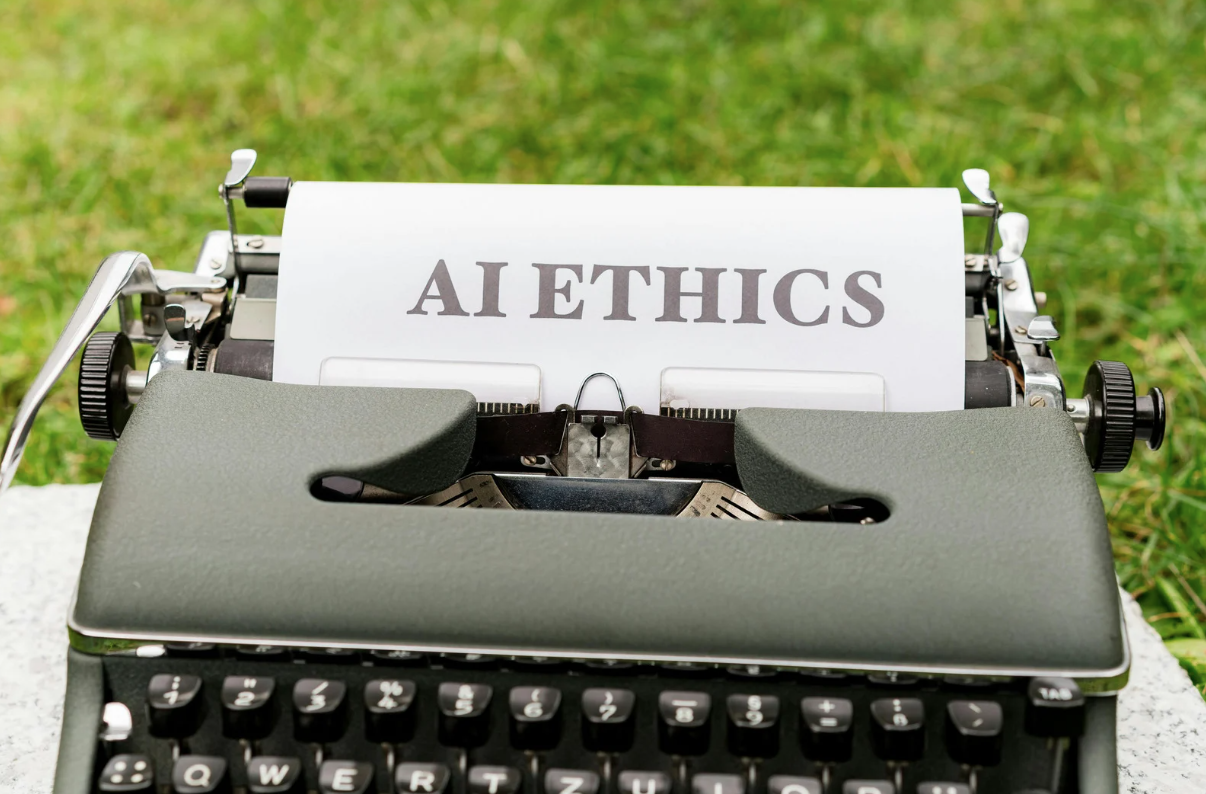
Artificial intelligence is no longer confined to research labs and tech giants—it’s everywhere. From hospitals diagnosing diseases faster than ever to banks predicting credit risks in seconds, AI has reshaped how industries operate. But with great power comes great responsibility. The rise of AI brings complex ethical questions that no business can afford to ignore.
AI ethics across industries isn’t just about compliance or public relations. It’s about doing what’s right—ensuring fairness, transparency, accountability, and respect for human values. Whether you’re in healthcare, finance, manufacturing, or marketing, ethical AI determines not just how well your systems perform but how much people trust them.
Let’s dive into why AI ethics matters, how it applies to different sectors, and what every organization should know to stay ahead in an age defined by intelligent machines.
What AI Ethics Really Means
At its core, AI ethics refers to the principles and values guiding how artificial intelligence is developed and used. It’s about ensuring technology serves humanity rather than the other way around.
Key ethical principles include:
- Fairness: Ensuring AI decisions don’t discriminate against individuals or groups.
- Transparency: Making AI processes understandable and explainable.
- Accountability: Defining who is responsible when AI makes mistakes.
- Privacy: Protecting personal and sensitive data from misuse.
- Safety: Ensuring AI systems operate reliably without harm.
These principles sound universal, but their application varies dramatically across industries. What fairness means for a hiring algorithm isn’t the same as what it means for a medical diagnosis model.
Why AI Ethics Matters More Than Ever
We’ve all seen what happens when AI goes unchecked. Hiring tools that reject candidates based on gender. Facial recognition systems misidentifying minorities. Credit algorithms penalizing low-income users.
These aren’t isolated incidents—they’re symptoms of ethical gaps. As AI systems influence millions of lives, the margin for error shrinks, and the cost of unethical AI grows.
Ethical AI isn’t just a moral duty—it’s a business advantage. Consumers are more likely to trust and engage with brands that use AI responsibly. Regulators are also cracking down on opaque algorithms and biased data practices.
Companies that build trust through ethical AI don’t just avoid scandals—they position themselves as leaders in the digital future.
AI Ethics in Healthcare
Few industries illustrate the importance of AI ethics better than healthcare. When algorithms are used to diagnose patients, predict treatment outcomes, or allocate medical resources, ethical precision becomes a matter of life and death.
The primary challenges in this field include bias in medical datasets and transparency in AI recommendations. If training data overrepresents certain demographics, diagnostic models might fail for underrepresented groups.
For example, an AI trained mostly on data from adults might misdiagnose children with similar symptoms. Likewise, if an AI tool recommends a treatment without explaining why, doctors may hesitate to trust it—or worse, follow it blindly.
The solution lies in developing explainable AI (XAI) systems that clarify how predictions are made, paired with strict data validation and human oversight.
Ethical healthcare AI must also protect patient privacy under laws like HIPAA and GDPR. Secure, anonymized data ensures both innovation and trust.
When AI ethics is applied correctly, healthcare can achieve the best of both worlds: precision medicine that’s not just smart, but fair and humane.
AI Ethics in Finance
In finance, decisions powered by AI can impact people’s livelihoods—who gets a loan, what interest rate applies, or how markets are analyzed. Ethical issues often arise when algorithms make decisions without transparency or accountability.
The biggest risks? Bias and lack of explainability. If an AI model denies someone a mortgage because of hidden correlations in the data, the affected person deserves to know why. Financial institutions must ensure that AI models comply with fair lending laws and are auditable.
Moreover, data privacy plays a huge role. With AI models analyzing millions of transactions daily, safeguarding personal and financial data is essential to maintaining trust.
Ethical financial AI must also prevent algorithmic manipulation—for example, trading bots that exploit market vulnerabilities. Regulators like the U.S. SEC and the European Banking Authority now require AI systems to meet standards of transparency and accountability.
The payoff? Trust. Financial institutions that prioritize AI ethics attract more customers and reduce regulatory risks while enhancing brand credibility.
AI Ethics in Manufacturing
The manufacturing industry uses AI to optimize supply chains, manage predictive maintenance, and automate production. While efficiency gains are enormous, the ethical implications often center on workforce displacement, safety, and environmental impact.
Automation powered by AI can replace human labor, leading to job losses if companies fail to retrain workers. Ethical AI adoption means balancing automation with upskilling programs that prepare employees for new, higher-value roles.
Another issue is safety. AI systems controlling machinery must be transparent and fail-safe. An error in a robotic assembly line can lead to injuries or product defects.
Ethical manufacturing also involves sustainable AI—using energy-efficient algorithms and reducing waste through smarter production. AI can help build greener factories, but only when designed responsibly.
Manufacturers that integrate ethics into their AI systems can innovate without sacrificing their social responsibilities.
AI Ethics in Marketing
AI-driven marketing personalizes ads, predicts consumer behavior, and optimizes customer experiences. But with great personalization comes great responsibility.
Marketers often walk a fine line between relevance and intrusion. Using consumer data ethically means being transparent about data collection, obtaining consent, and avoiding manipulative targeting.
For example, recommending a skincare product based on browsing history is acceptable—but exploiting personal insecurities through hyper-targeted ads crosses an ethical line.
Ethical AI marketing also requires awareness of algorithmic bias. If your ad delivery algorithm prioritizes certain demographics over others, it can unintentionally reinforce stereotypes or exclusion.
The goal should be responsible personalization—using AI to connect with audiences meaningfully without compromising privacy or dignity. Ethical marketing fosters stronger customer loyalty and long-term brand trust.
AI Ethics in Education
In education, AI is revolutionizing learning through adaptive systems that tailor lessons to each student. However, this innovation comes with ethical challenges—student privacy, data security, and algorithmic bias.
When algorithms analyze students’ learning behaviors, they collect sensitive data that must be protected from misuse. Moreover, if AI tools are biased toward certain learning styles or demographics, they may disadvantage students instead of empowering them.
Ethical AI in education should ensure equal access, inclusivity, and transparency. Teachers and parents should understand how AI systems evaluate performance and recommend content.
When done right, ethical AI can transform education into a more personalized, equitable experience for all learners.
AI Ethics in Transportation
From autonomous vehicles to smart traffic systems, AI is revolutionizing transportation. But here, ethics often intersects with safety, liability, and decision-making in life-or-death scenarios.
Consider a self-driving car faced with an unavoidable accident—how should it choose between two harmful outcomes? These “trolley problem” scenarios highlight the need for clear ethical frameworks in AI programming.
Transportation companies must also prioritize data privacy when collecting location and behavioral data from users. Transparent communication about data use builds confidence and avoids backlash.
Ethical transportation AI not only saves lives but also accelerates public adoption of autonomous systems by fostering trust through accountability and fairness.
The Business Case for Ethical AI
Building ethical AI isn’t just good ethics—it’s good economics. A recent study by Capgemini found that 62% of consumers trust companies more when they implement transparent AI practices.
Businesses that prioritize AI ethics experience:
- Stronger customer loyalty
- Reduced legal and compliance risks
- Higher innovation potential
- Better employee engagement
Ethics serves as a competitive advantage. Companies known for responsible AI attract investors, partners, and talent who value integrity as much as innovation.
In contrast, unethical AI practices can destroy reputation overnight. Think of the PR disasters caused by biased algorithms or privacy breaches. The cost of losing public trust far outweighs the investment in building ethical systems.
Creating an Ethical AI Framework
So how can organizations ensure ethical AI across industries? It starts with a structured framework.
- Define Core Principles: Align AI systems with company values and industry regulations.
- Ensure Data Integrity: Use diverse, high-quality datasets to eliminate bias.
- Promote Transparency: Make algorithms explainable and accessible to stakeholders.
- Establish Accountability: Assign clear responsibility for AI decisions and outcomes.
- Engage Stakeholders: Include ethicists, users, and regulators in AI governance.
- Monitor Continuously: Regularly audit systems for bias, fairness, and security.
Ethical AI isn’t a one-time project—it’s an ongoing commitment. As technology evolves, so must our standards.
The Future of AI Ethics Across Industries
AI is only as ethical as the people who design and deploy it. As industries continue to adopt intelligent systems, the focus will shift from reactive to proactive ethics.
We’ll see more AI ethics boards, government regulations, and industry standards ensuring fairness and accountability. Companies will compete not only on performance but on ethical transparency.
In the future, ethical AI won’t be a differentiator—it will be a baseline expectation. Those who lead now will shape how technology serves humanity tomorrow.
Conclusion
AI ethics across industries isn’t just a trend—it’s the foundation for a sustainable digital future. Every business that embraces ethical AI stands to gain trust, innovation, and long-term success.
Whether it’s in healthcare, finance, or marketing, the goal remains the same: create AI systems that are fair, transparent, and accountable. The companies that get this right won’t just win customers—they’ll earn something far more valuable: credibility and respect.
FAQ
1. What is AI ethics?
AI ethics refers to principles like fairness, transparency, and accountability that guide the responsible use of artificial intelligence.
2. Why is AI ethics important?
It prevents bias, protects privacy, ensures fairness, and builds public trust in technology across industries.
3. How does AI ethics affect healthcare?
It ensures accurate, fair medical decisions while protecting patient privacy and promoting transparency in AI diagnoses.
4. What are the challenges of AI ethics in business?
Key challenges include biased data, lack of transparency, accountability gaps, and balancing innovation with regulation.
5. How can companies implement ethical AI?
By creating clear ethical frameworks, auditing data, promoting explainability, and training employees to use AI responsibly.





Leave feedback about this